St Patrick's Catholic Primary School
Addition and Subtraction

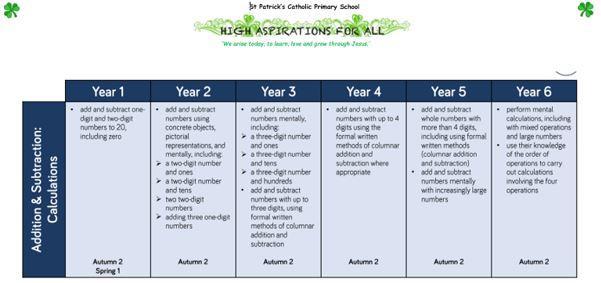


Year 1
- Read, write and interpret mathematical statements involving addition (+), subtraction (–) and equals (=) signs.
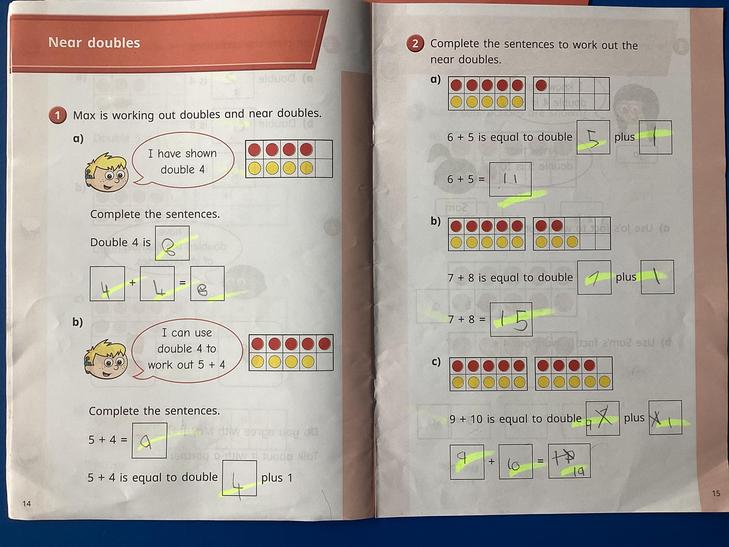
- Represent and use number bonds and related subtraction facts within 20.
- Add and subtract one-digit and two-digit numbers to 20, including zero.
- Solve one-step problems that involve addition and subtraction, using concrete objects and pictorial representations, and missing number problems such as 7 = – 9.



Year 2
- Solve problems with addition and subtraction:
- Using concrete objects and pictorial representations, including those involving numbers, quantities and measures.
- Applying their increasing knowledge of mental and written methods.
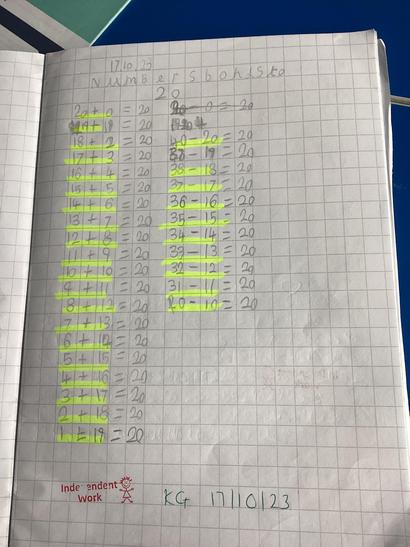
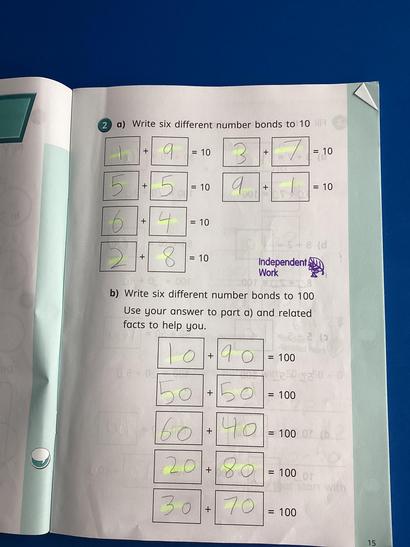
- Recall and use addition and subtraction facts to 20 fluently, and derive and use related facts up to 100.
- Add and subtract numbers using concrete objects, pictorial representations, and mentally, including:
- A two-digit number and ones.
- A two-digit number and tens.
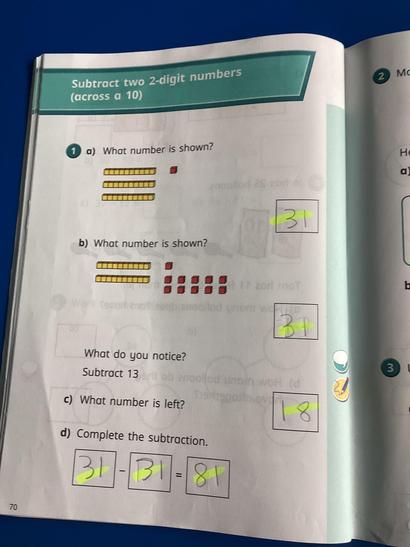
- Two two-digit numbers.
- Adding three one-digit numbers
- Show that addition of two numbers can be done in any order (commutative) and subtraction of one number from another cannot
- Recognise and use the inverse relationship between addition and subtraction and use this to check calculations and solve missing number problems.


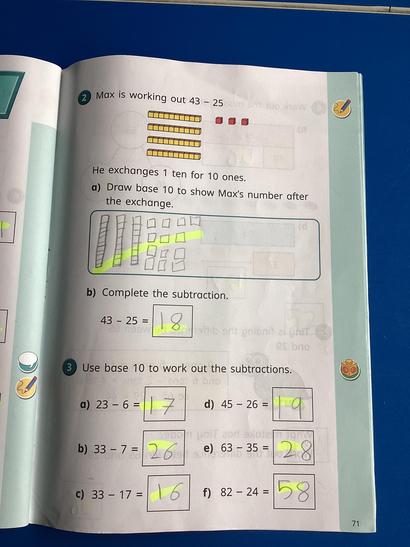
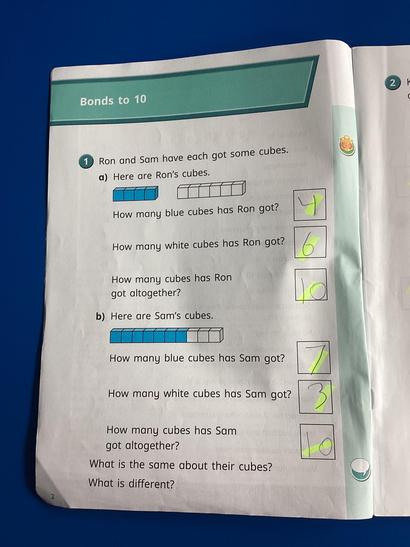
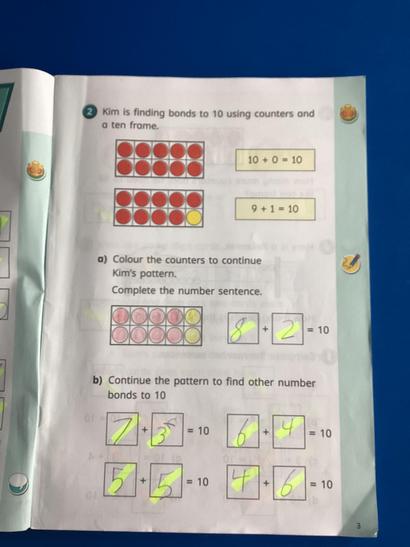
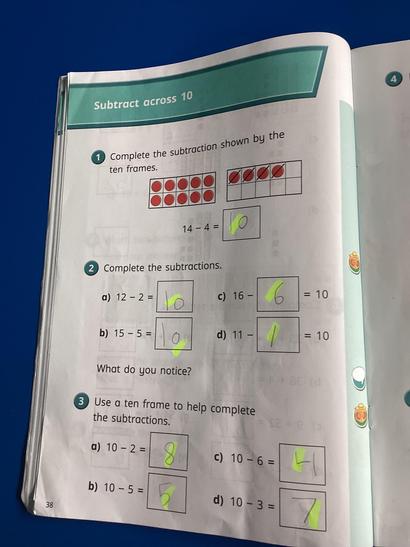

Year 3
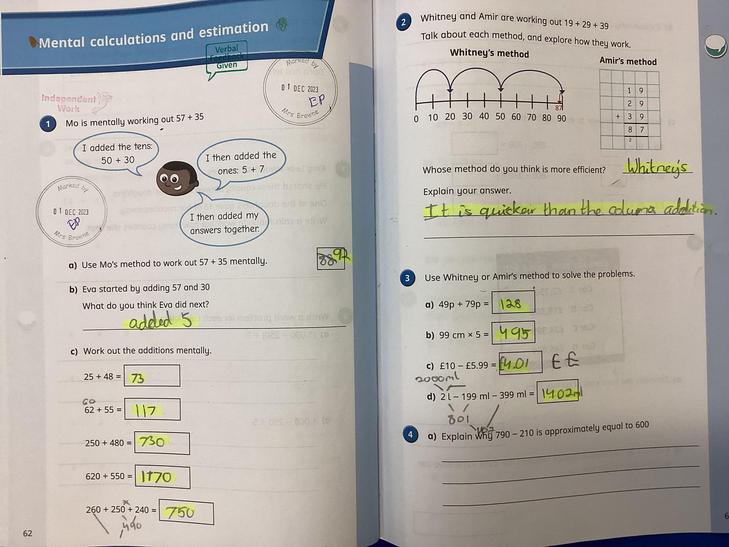
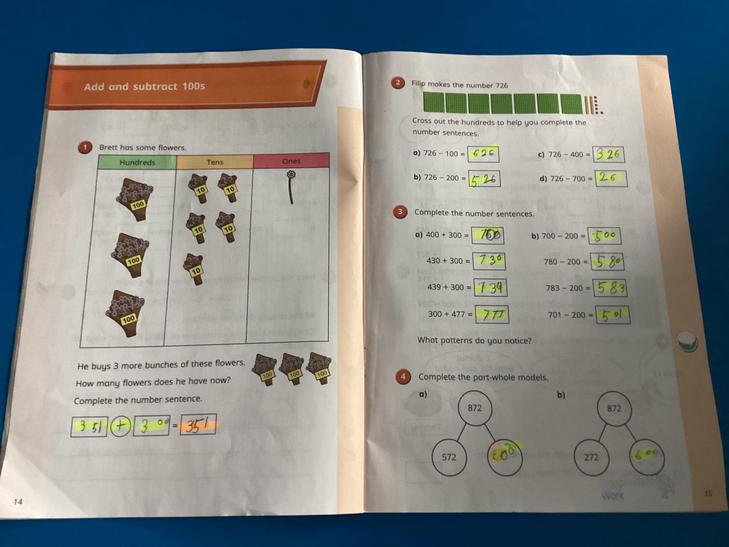
- Add and subtract numbers mentally, including:
- A three-digit number and ones.
- A three-digit number and tens.
- A three-digit number and hundreds.
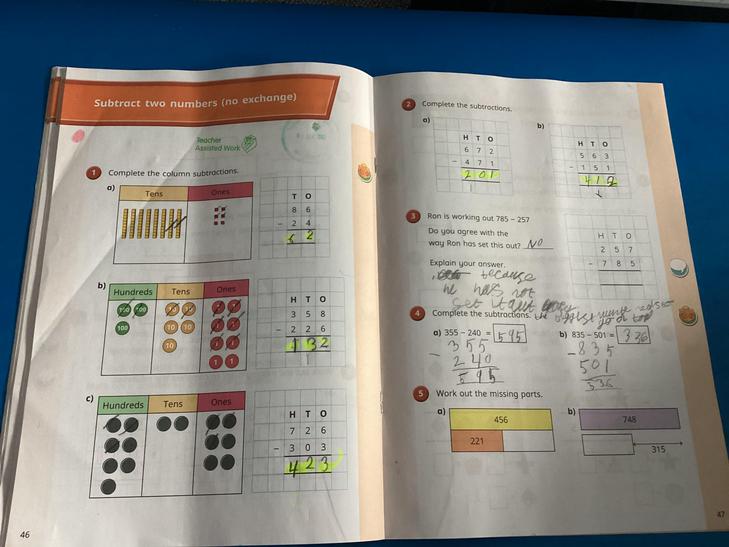
- Add and subtract numbers with up to three digits, using formal written methods of columnar addition and subtraction.
- Estimate the answer to a calculation and use inverse operations to check answers.
- Solve problems, including missing number problems, using number facts, place value, and more complex addition and subtraction.


Year 4
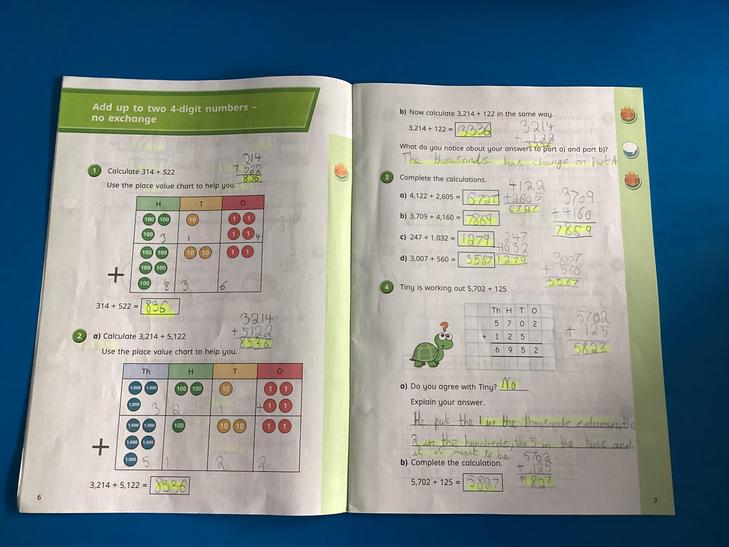
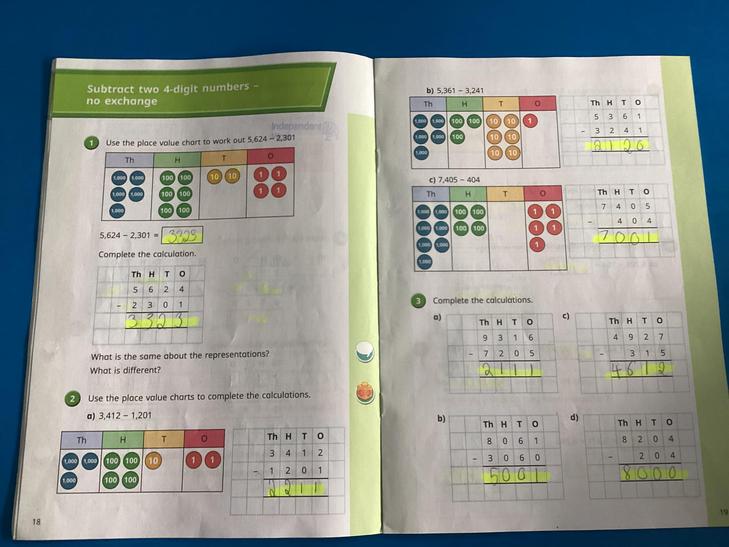
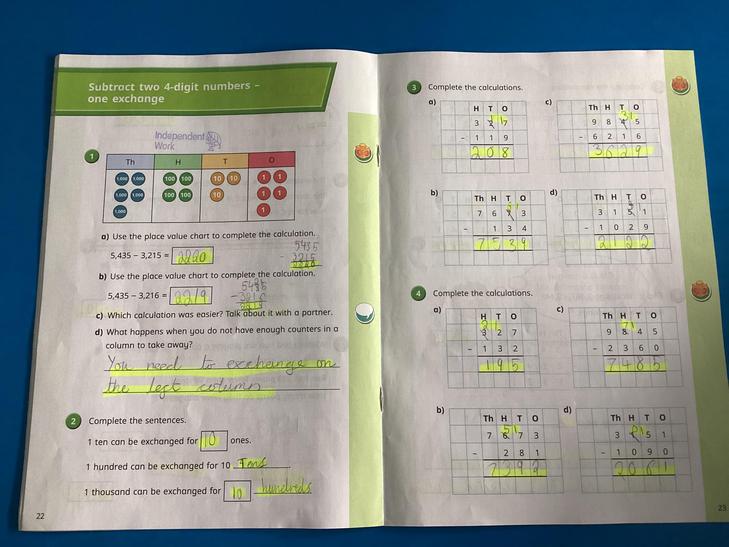
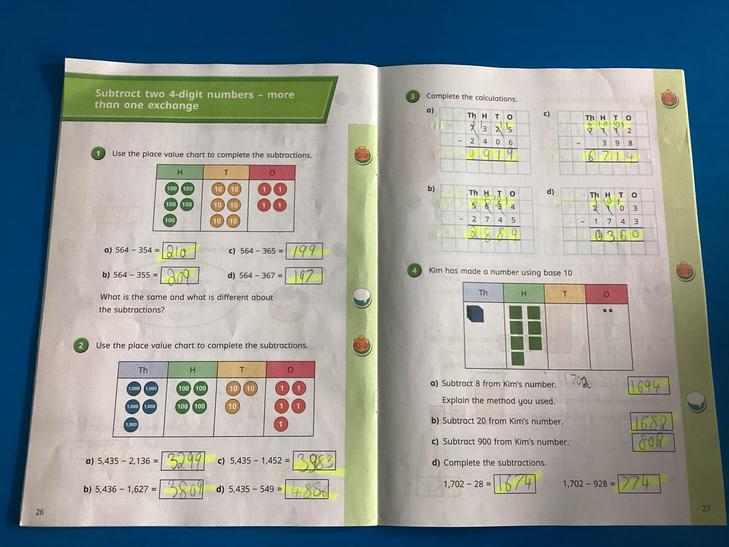
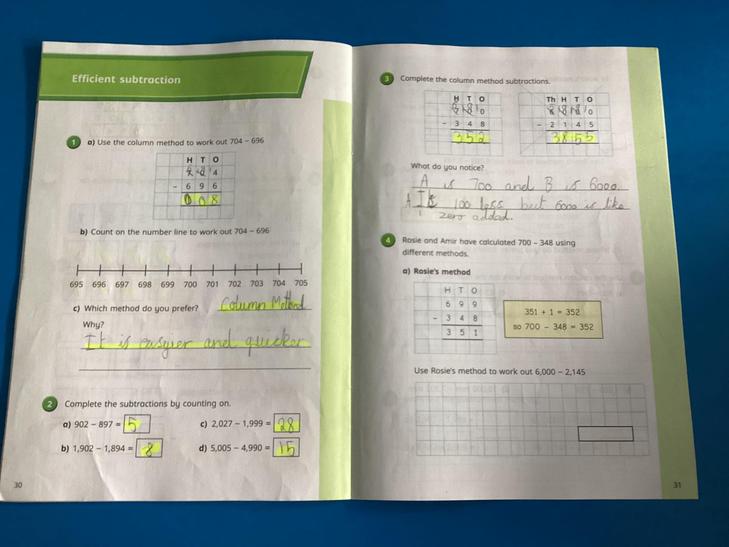
- Add and subtract numbers with up to 4 digits using the formal written methods of columnar addition and subtraction where appropriate.
- Estimate and use inverse operations to check answers to a calculation.
- Solve addition and subtraction two-step problems in contexts, deciding which operations and methods to use and why.

Year 5
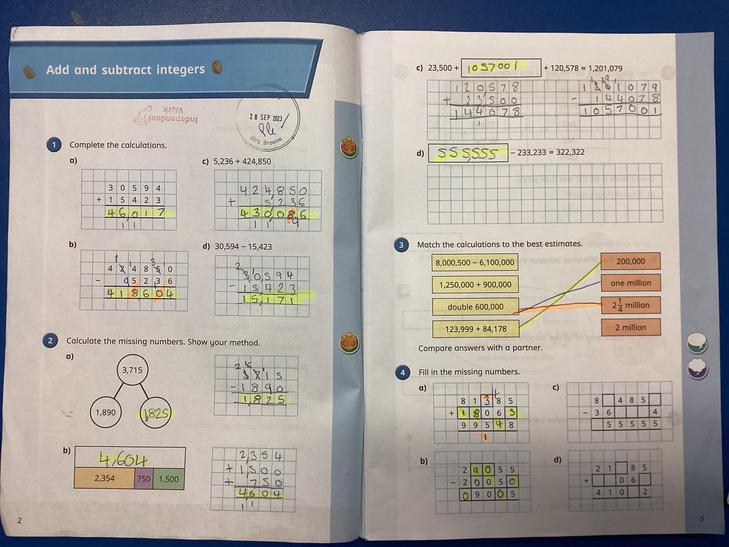
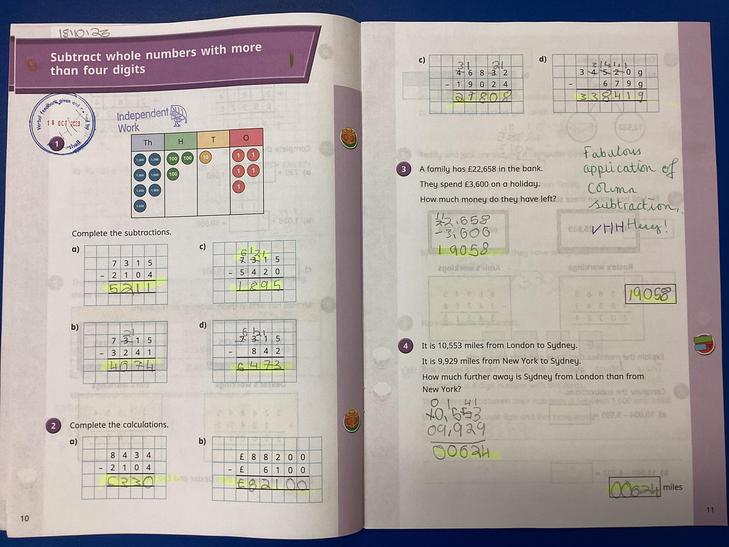
- Add and subtract whole numbers with more than 4 digits, including using formal written methods (columnar addition and subtraction).
- Add and subtract numbers mentally with increasingly large numbers.
- Use rounding to check answers to calculations and determine, in the context of a problem, levels of accuracy.
- Solve addition and subtraction multi-step problems in contexts, deciding which operations and methods to use and why.


Year 6
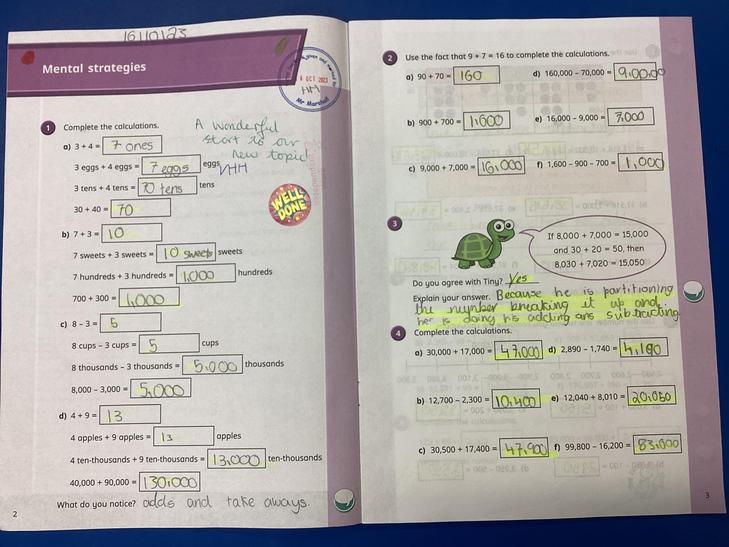
- Perform mental calculations, including with mixed operations and large numbers.
- Identify common factors, common multiples and prime numbers.
- Use their knowledge of the order of operations to carry out calculations involving the four operations.
- Solve addition and subtraction multi-step problems in contexts, deciding which operations and methods to use and why
- Solve problems involving addition, subtraction.
- Use estimation to check answers to calculations and determine, in the context of a problem, an appropriate degree of accuracy.