
St Patrick's Catholic Primary School
Measurement
Year 1
Using measures
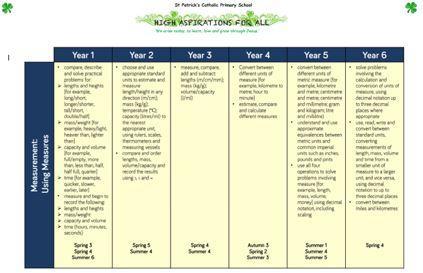
- Compare, describe and solve practical problems for:
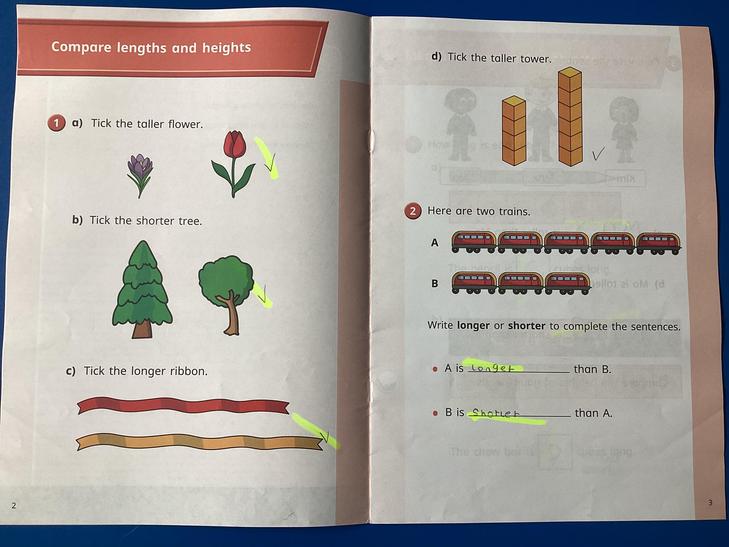
- Lengths and heights [for example, long/short, longer/shorter, tall/short, double/half].
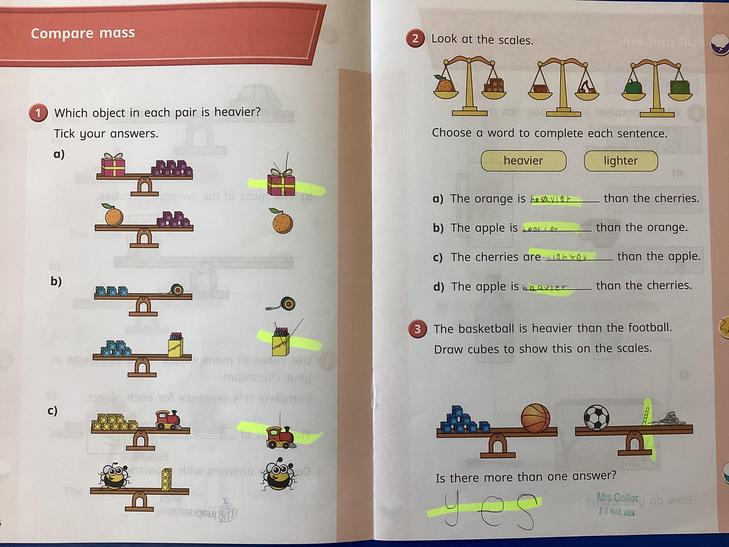
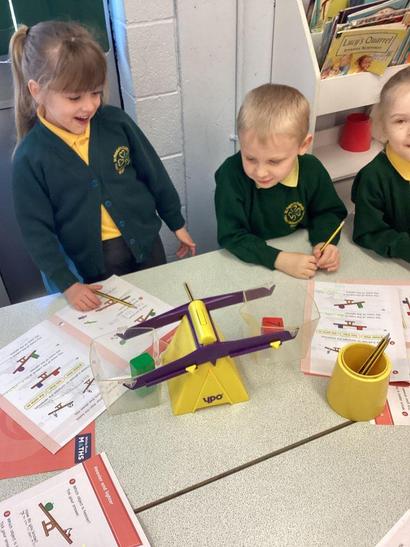
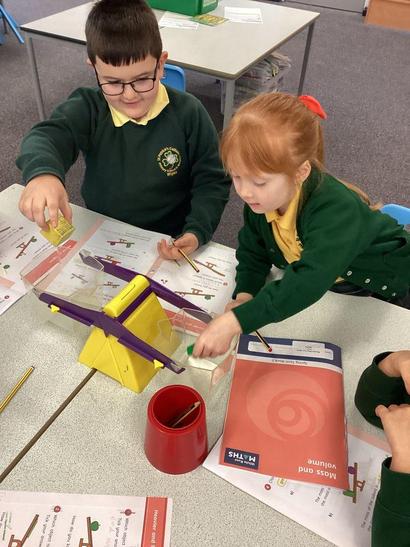
- Mass/weight [for example, heavy/light, heavier than, lighter than].
- Capacity and volume [for example, full/empty, more than, less than, half, half full, quarter].
- Time [for example, quicker, slower, earlier, later].
- Measure and begin to record the following:
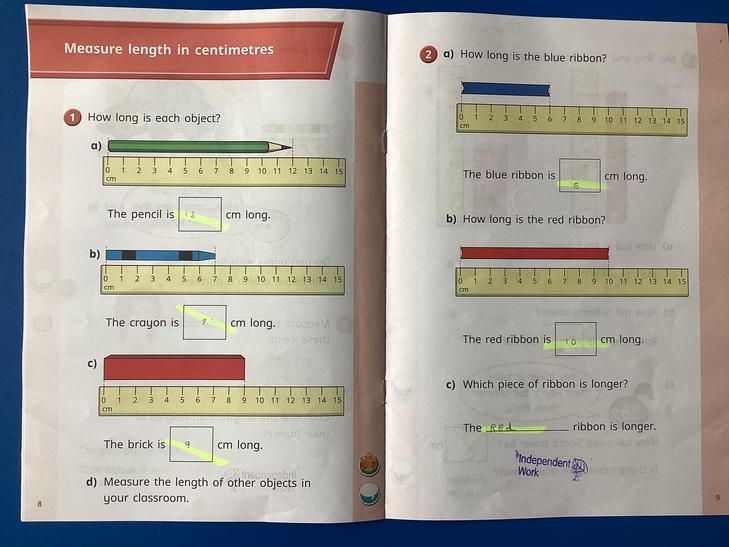
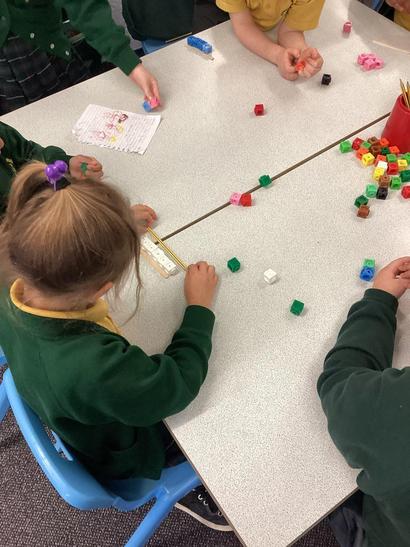
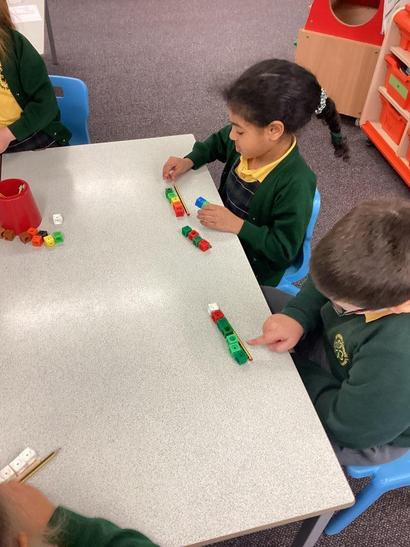
- Lengths and heights.
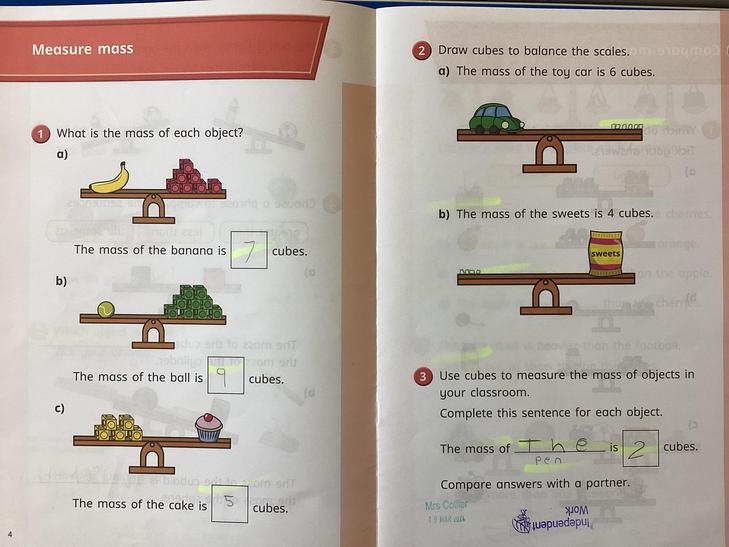
- Mass/weight.
- Capacity and volume.
- Time (hours, minutes, seconds).
Money
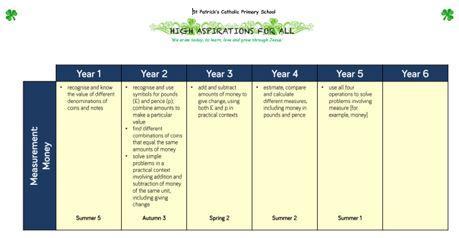
- Recognise and know the value of different denominations of coins and notes.
Time
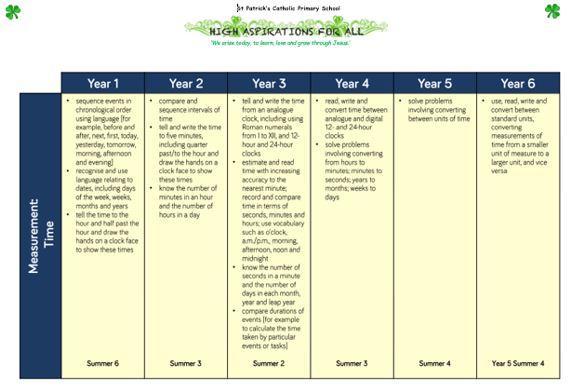
- Sequence events in chronological order using language [for example, before and after, next, first, today, yesterday, tomorrow, morning, afternoon and evening].
- Recognise and use language relating to dates, including days of the week, weeks, months and years.
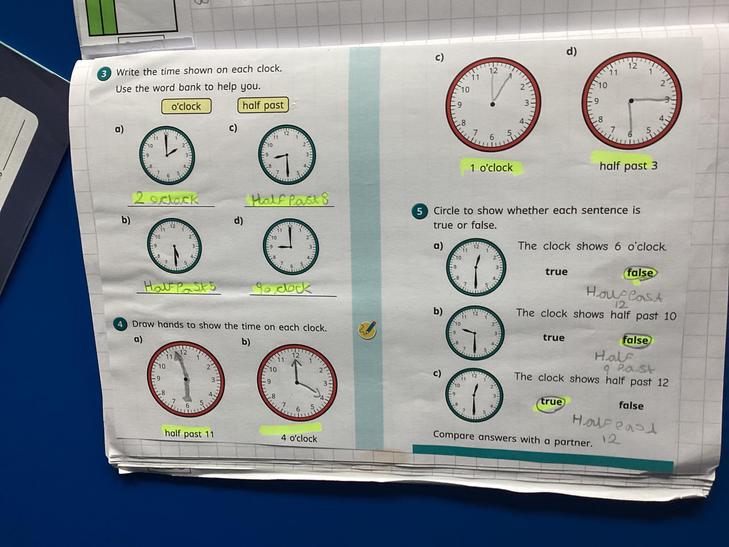
- Tell the time to the hour and half past the hour and draw the hands on a clock face to show these times.
Year 2
Using measures
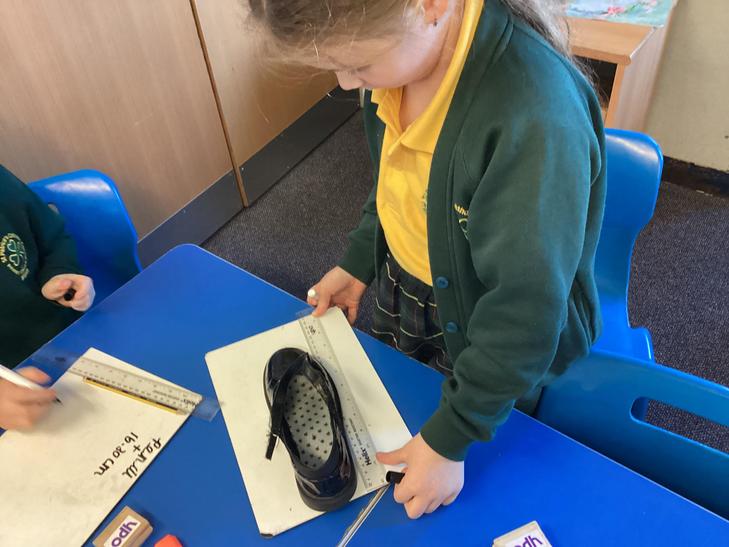
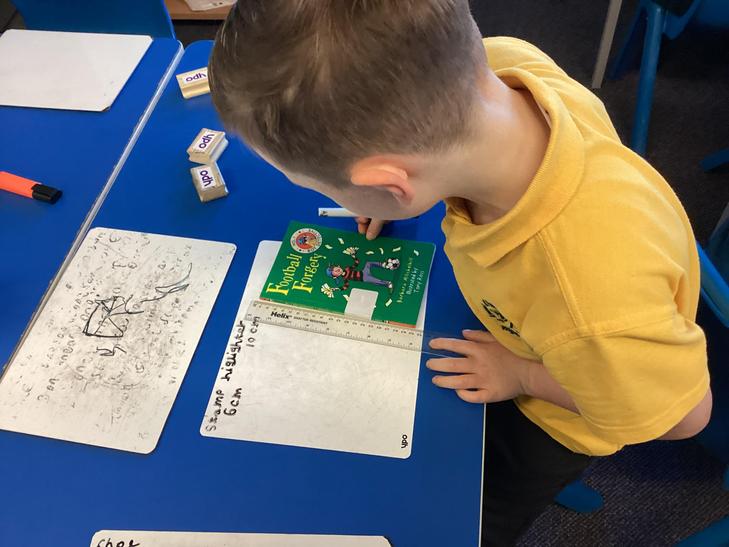
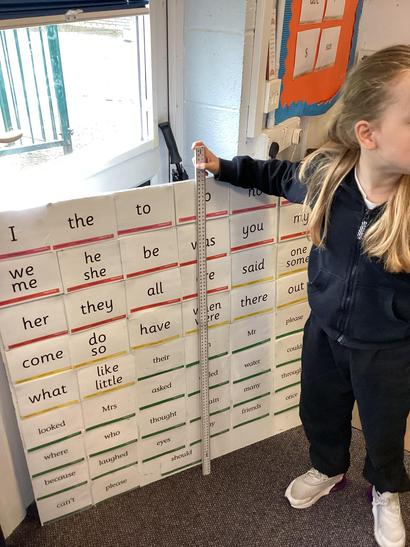
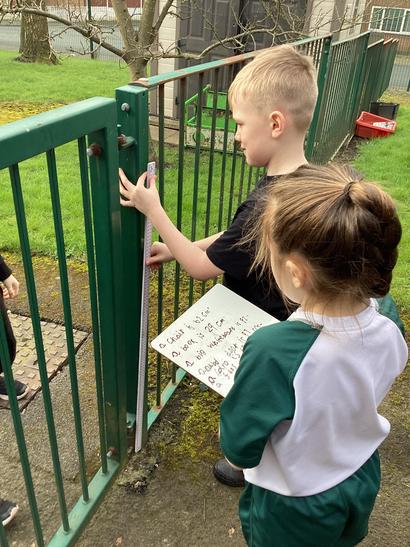
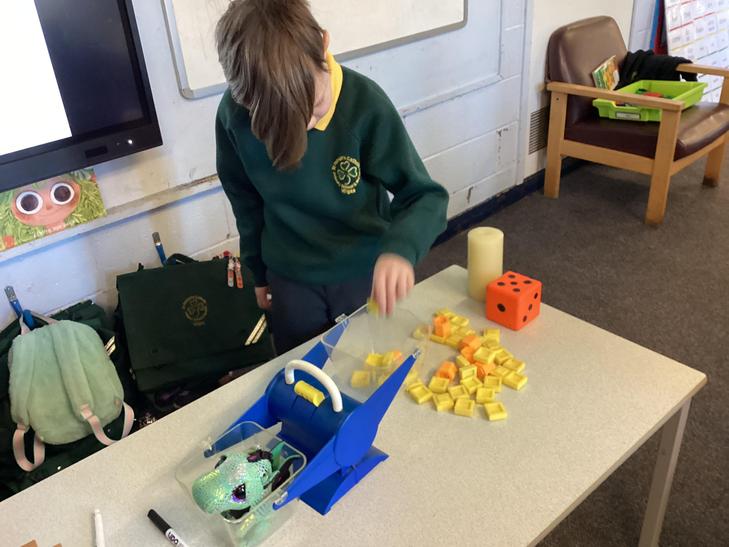
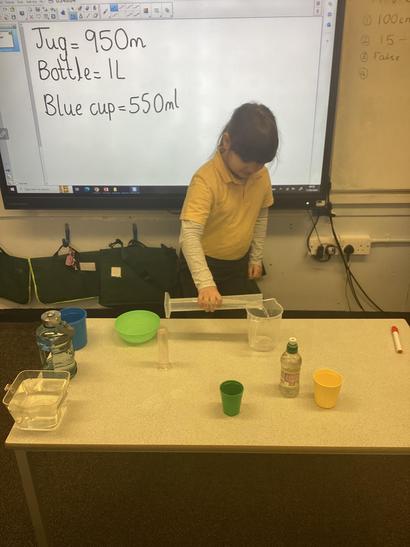
- Choose and use appropriate standard units to estimate and measure length/height in any direction (m/cm); mass (kg/g); temperature (°C); capacity (litres/ml) to the nearest appropriate unit, using rulers, scales, thermometers and measuring vessels.
- Compare and order lengths, mass, volume/capacity and record the results using >, < and =.
Money
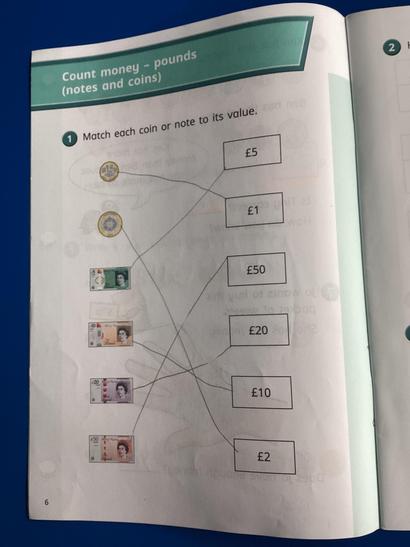
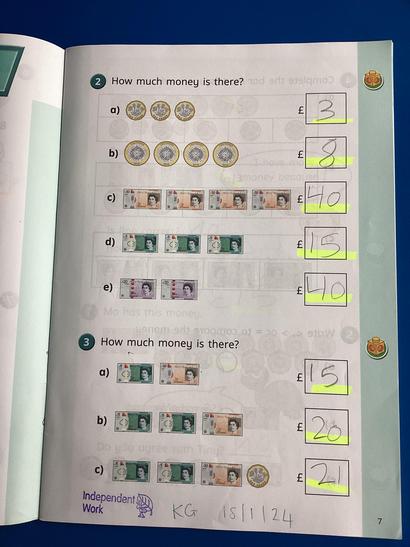
- Recognise and use symbols for pounds (£) and pence (p); combine amounts to make a particular value.
- Find different combinations of coins that equal the same amounts of money.
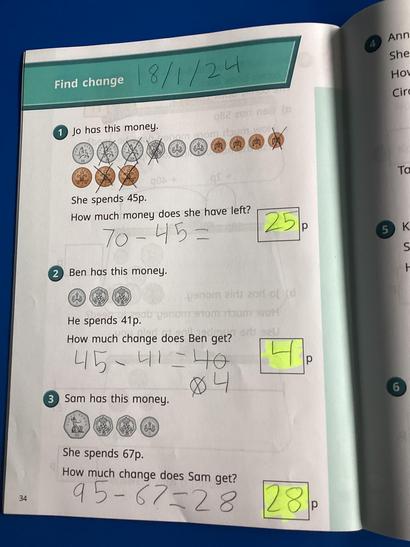
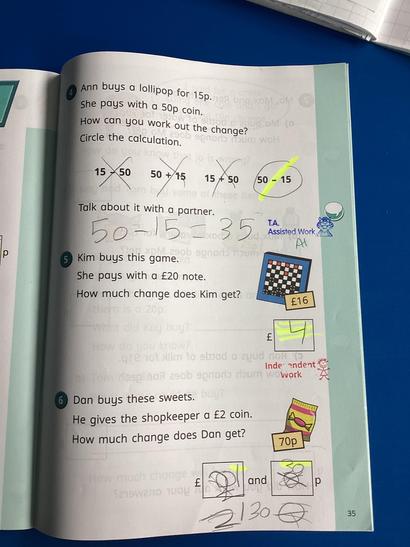
- Solve simple problems in a practical context involving addition and subtraction of money of the same unit, including giving change.
Time
- Compare and sequence intervals of time.
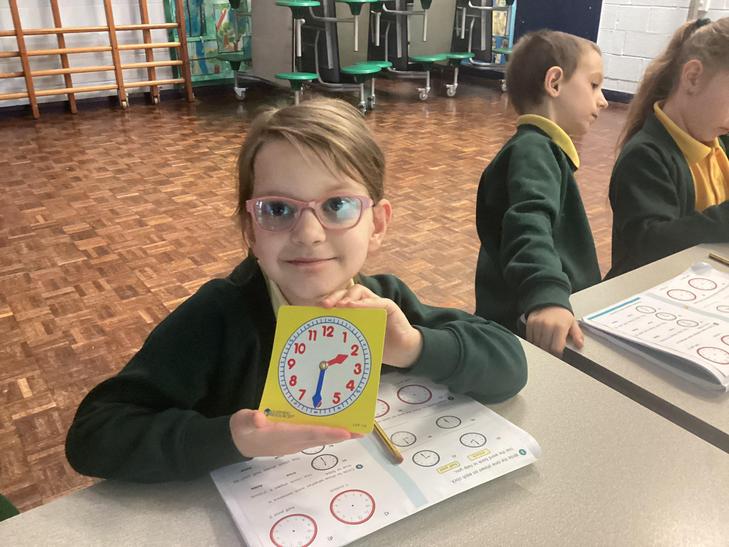
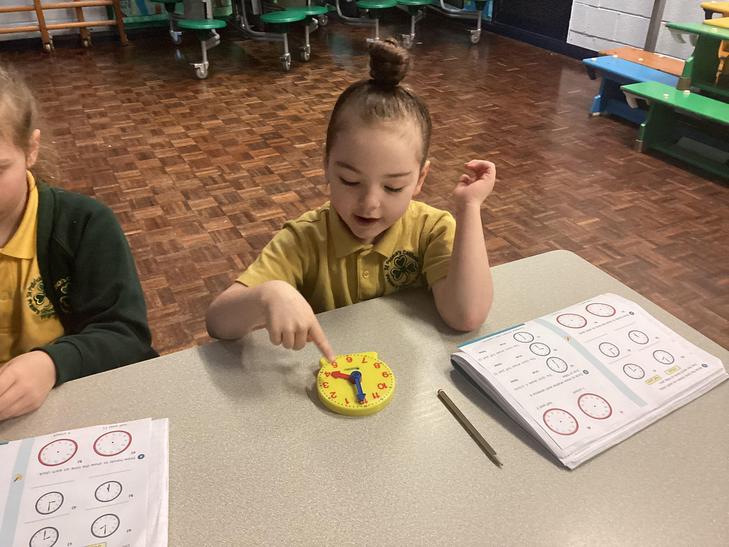
- Tell and write the time to five minutes, including quarter past/to the hour and draw the hands on a clock face to show these times.
- Know the number of minutes in an hour and the number of hours in a day.
Year 3
Using measures
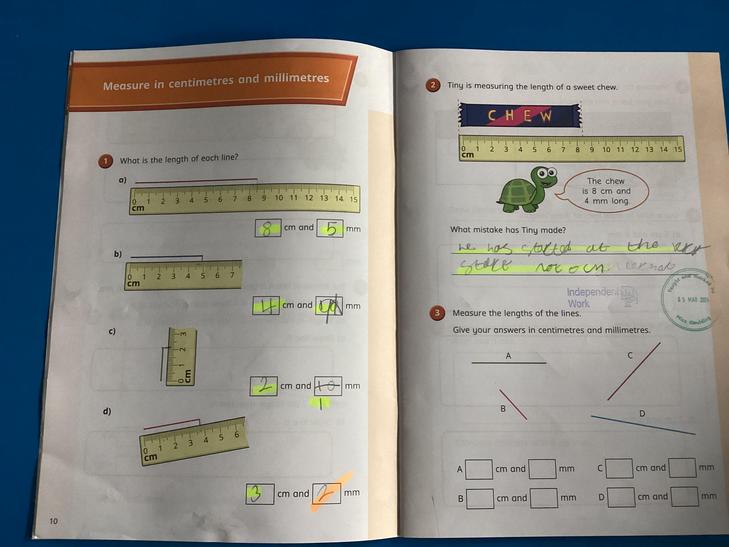
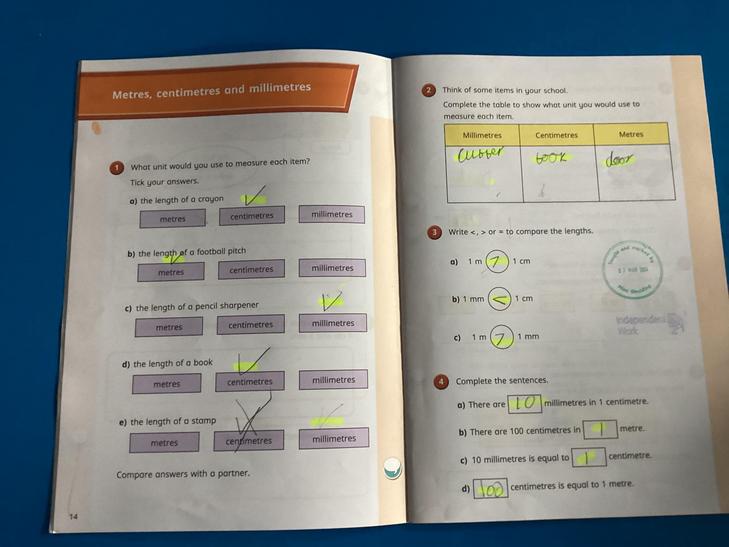
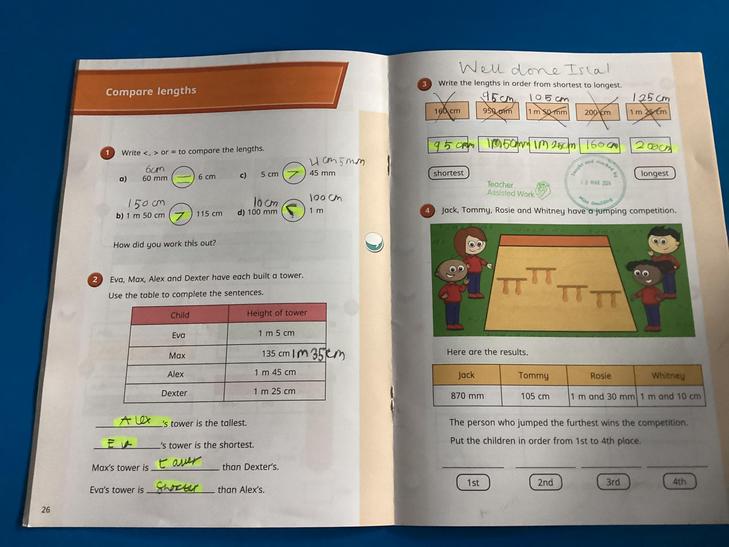
- Measure, compare, add and subtract: lengths (m/cm/mm); mass (kg/g); volume/capacity (l/ml).
Money
- Add and subtract amounts of money to give change, using both £ and p in practical contexts.
Time
- Tell and write the time from an analogue clock, including using Roman numerals from I to XII, and 12-hour and 24-hour clocks.
- Estimate and read time with increasing accuracy to the nearest minute; record and compare time in terms of seconds, minutes and hours; use vocabulary such as o’clock, a.m./p.m., morning, afternoon, noon and midnight.
- Know the number of seconds in a minute and the number of days in each month, year and leap year.
- Compare durations of events [for example to calculate the time taken by particular events or tasks].
Perimeter, area and volume
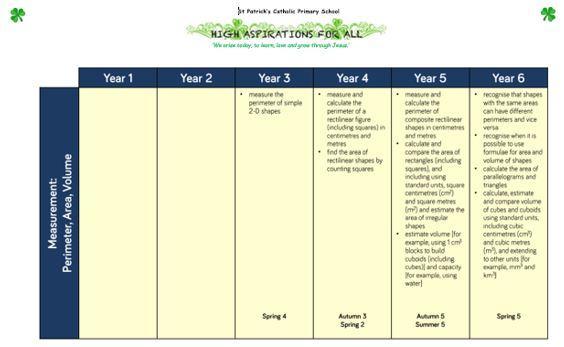
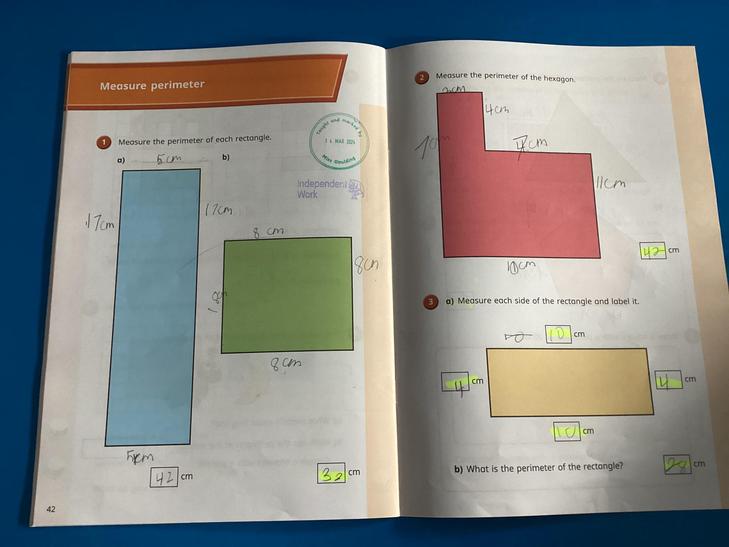
- Measure the perimeter of simple 2-D shapes.
Year 4
Using measures
- Convert between different units of measure [for example, kilometre to metre; hour to minute].
Money
- Estimate, compare and calculate different measures, including money in pounds and pence.
Time
- Read, write and convert time between analogue and digital 12- and 24-hour clocks.
- Solve problems involving converting from hours to minutes; minutes to seconds; years to months; weeks to days.
Perimeter, area and volume
- Measure and calculate the perimeter of a rectilinear figure (including squares) in centimetres and metres.
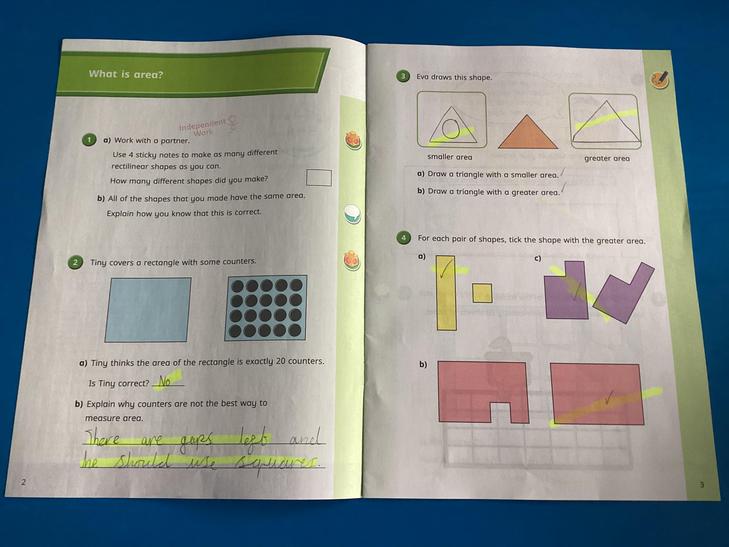
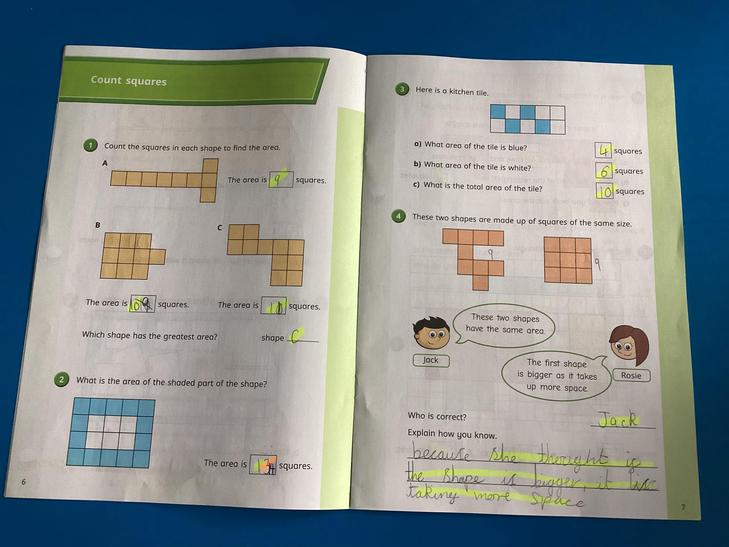
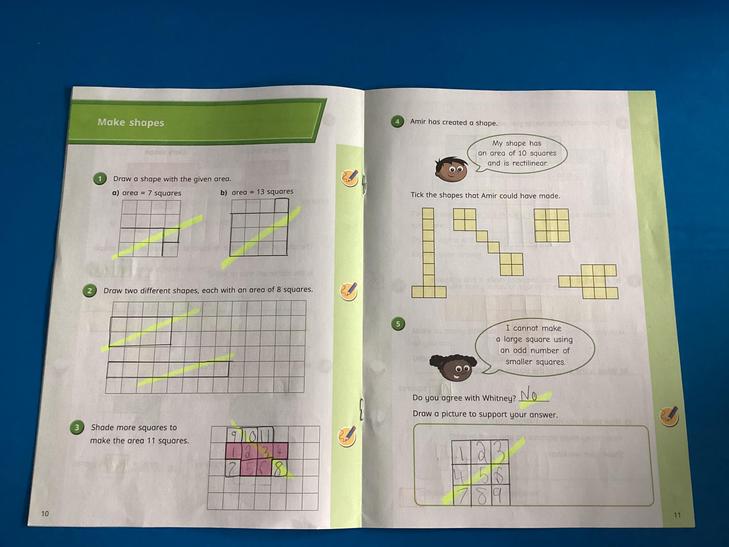
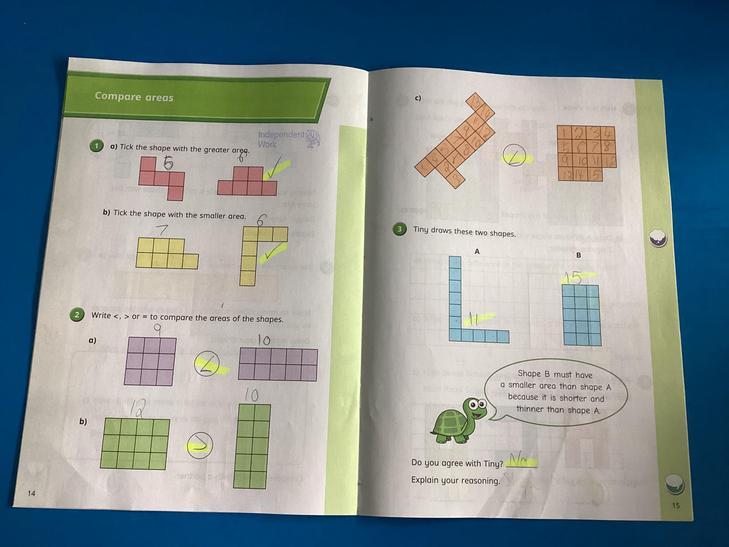
- Find the area of rectilinear shapes by counting squares.
Year 5
Using measures
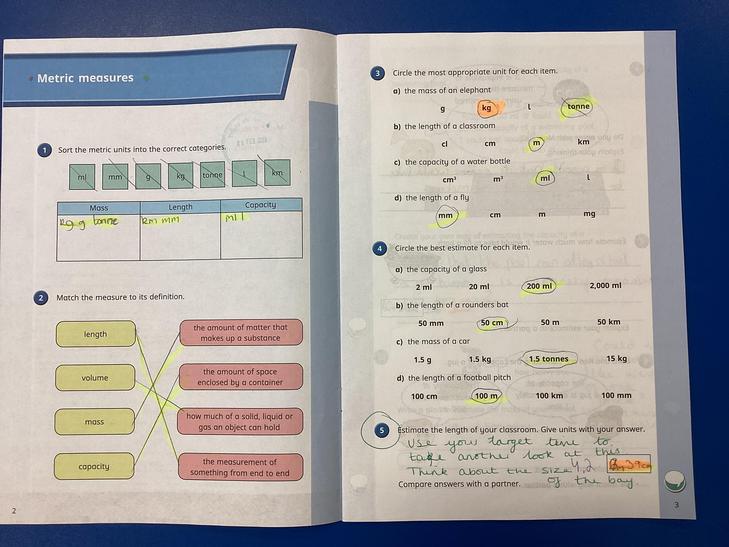
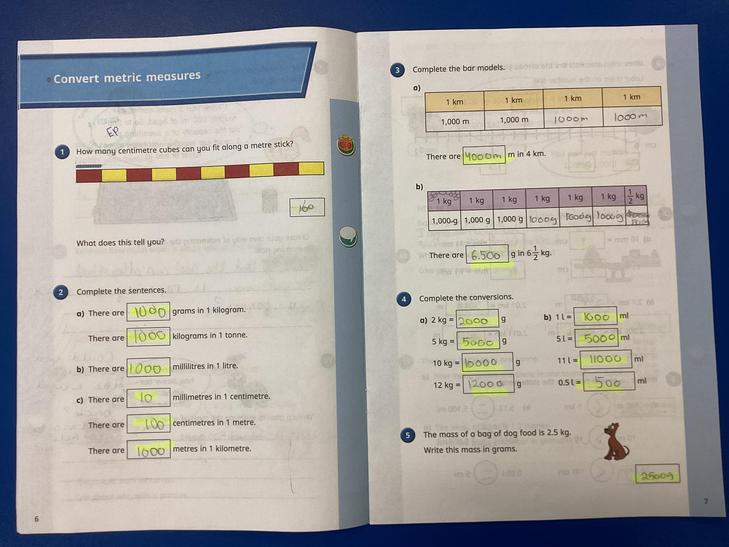
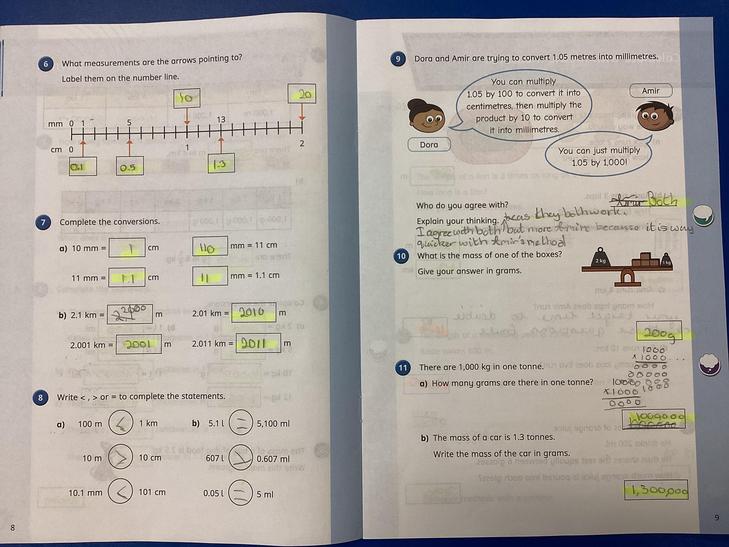
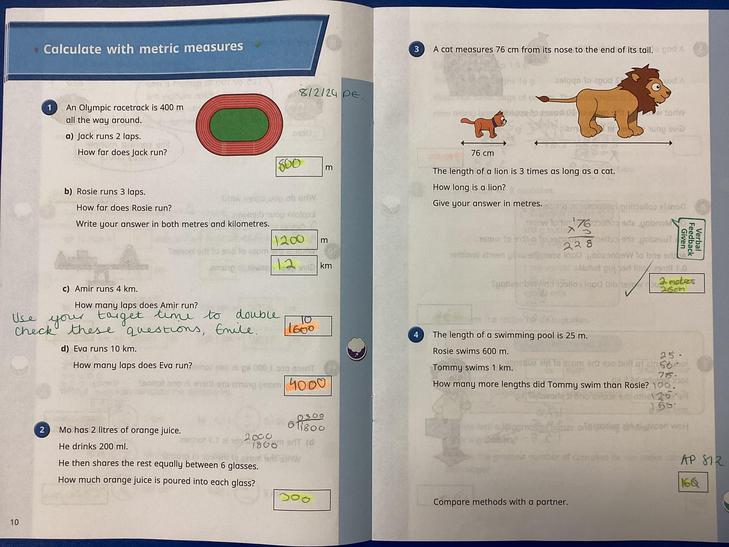
- Convert between different units of metric measure (for example, kilometre and metre; centimetre and metre; centimetre and millimetre; gram and kilogram; litre and millilitre).
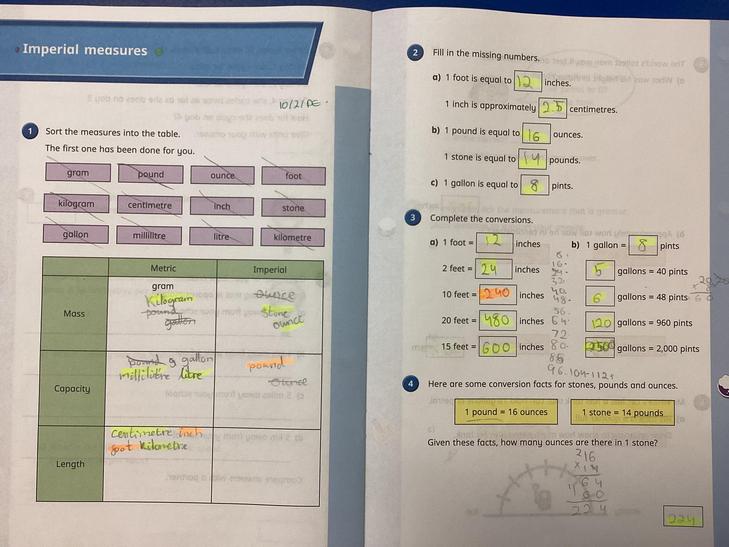
- Understand and use approximate equivalences between metric units and common imperial units such as inches, pounds and pints.
- Use all four operations to solve problems involving measure [for example, length, mass, volume, money] using decimal notation, including scaling.
Money
- Use all four operations to solve problems involving money, using decimal notation, including scaling.
Time
- Solve problems involving converting between units of time.
Perimeter, area and volume
- Measure and calculate the perimeter of composite rectilinear shapes in centimetres and metres.
- Calculate and compare the area of rectangles (including squares), and including using standard units, square centimetres (cm2 ) and square metres (m2 ) and estimate the area of irregular shapes.
- Estimate volume [for example, using 1 cm3 blocks to build cuboids (including cubes)] and capacity [for example, using water].
Year 6
Using measures
- Solve problems involving the calculation and conversion of units of measure, using decimal notation up to three decimal places where appropriate.
- Use, read, write and convert between standard units, converting measurements of length, mass, volume and time from a smaller unit of measure to a larger unit, and vice versa, using decimal notation to up to three decimal places.
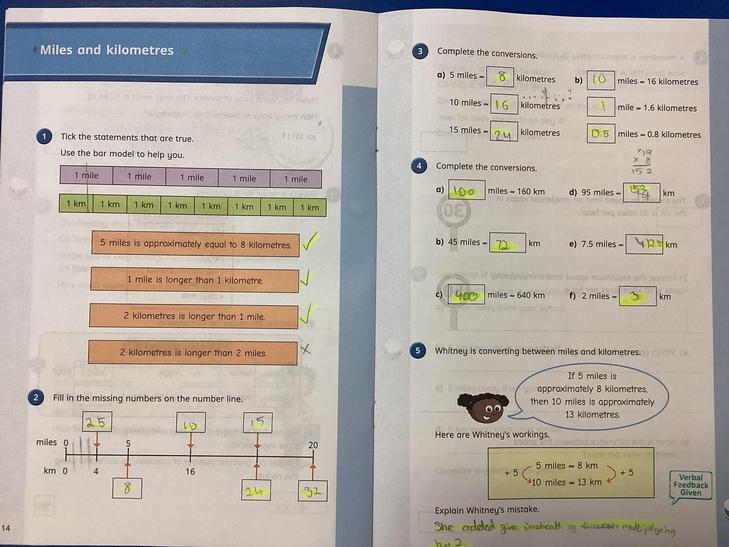
- Convert between miles and kilometres.
Perimeter, area and volume
- Recognise that shapes with the same areas can have different perimeters and vice versa.
- Recognise when it is possible to use formulae for area and volume of shapes.
- Calculate the area of parallelograms and triangles.
- Calculate, estimate and compare volume of cubes and cuboids using standard units, including cubic centimetres (cm3) and cubic metres (m3), and extending to other units [for example, mm3 and km3].