St Patrick's Catholic Primary School
Valuing Differences

The National Curriculum for PSHE aims to ensure that all pupils are equipped with a sound understanding of risk and with the knowledge and skills necessary to make safe and informed decisions.
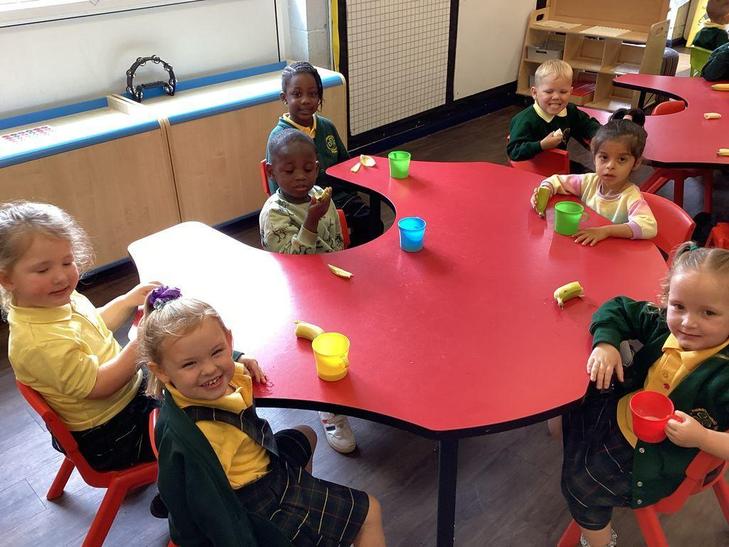
Nursery
Recognise that there are differences and similarities between themselves;
Celebrate their friends and include them;
Understand people have different cultures and religions.
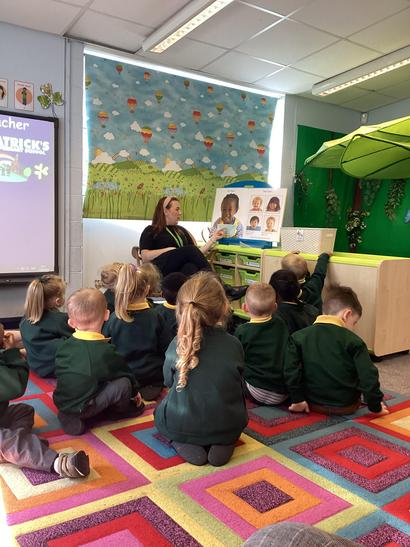
Reception
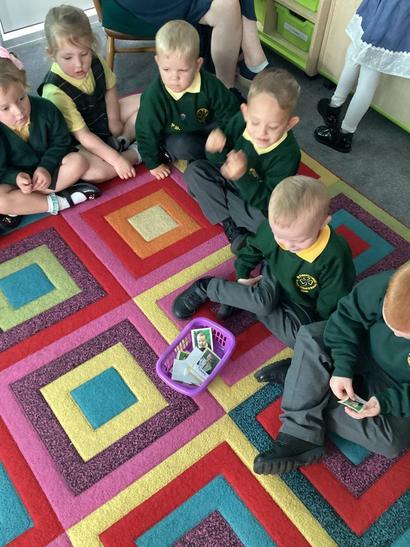
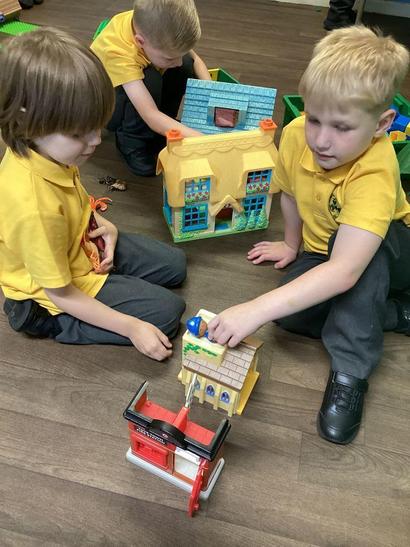
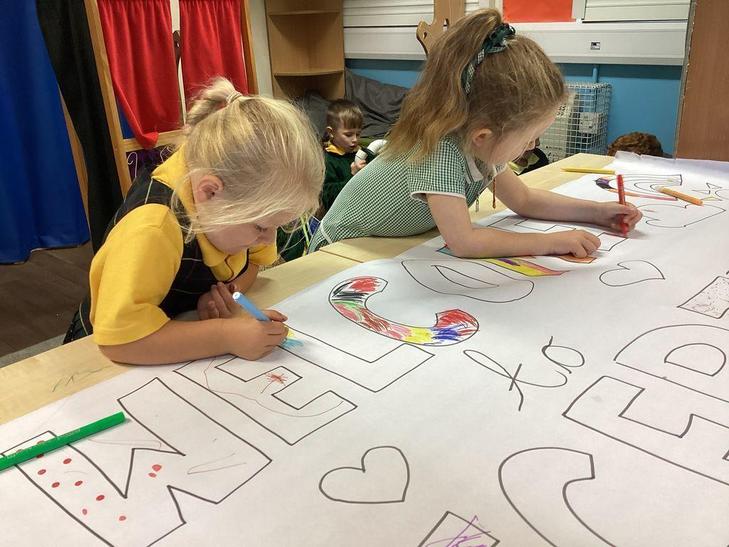
Be sensitive towards others and celebrate what makes each person unique;
Recognise that we can have things in common with others;
Use speaking and listening skills to learn about the lives of their peers;
Know the importance of showing care and kindness towards others;
Demonstrate skills in building friendships and cooperation.
Year 1
Identify the differences and similarities between people;
Empathise with those who are different from them;
Begin to appreciate the positive aspects of these differences;
Explain the difference between unkindness, teasing and bullying;
Understand that bullying is usually quite rare;
Explain some of their school rules and how those rules help to keep everybody safe;
Recognise and explain what is fair and unfair, kind and unkind;
Suggest ways they can show kindness to others;
Identify some of the people who are special to them;
Recognise and name some of the qualities that make a person special to them;
Recognise that they belong to various groups and communities such as their family;
Explain how these people help us and we can also help them to help us.
Year 2
Identify some of the physical and non-physical differences and similarities between people;
Know and use words and phrases that show respect for other people;
Identify people who are special to them;
Explain some of the ways those people are special to them;
Recognise and explain how a person's behaviour can affect other people;
Explain how it feels to be part of a group;
Explain how it feels to be left out from a group;
Identify groups they are part of;
Suggest and use strategies for helping someone who is feeling left out;
Recognise and describe acts of kindness and unkindness;
Explain how these impact on other people's feelings;
Suggest kind words and actions they can show to others;
Show acts of kindness to others in school;
Demonstrate active listening techniques (making eye contact, nodding head, making positive noises, not being distracted);
Suggest strategies for dealing with a range of common situations requiring negotiation skills to help foster and maintain positive relationships.
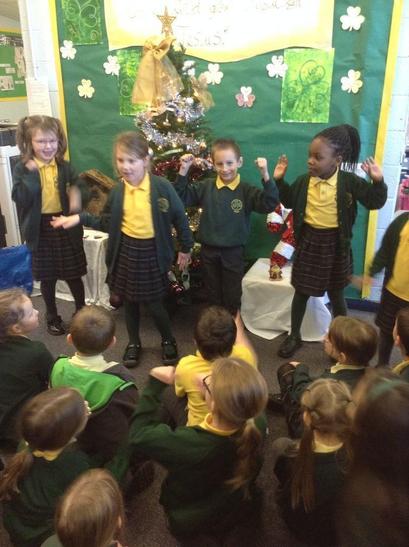

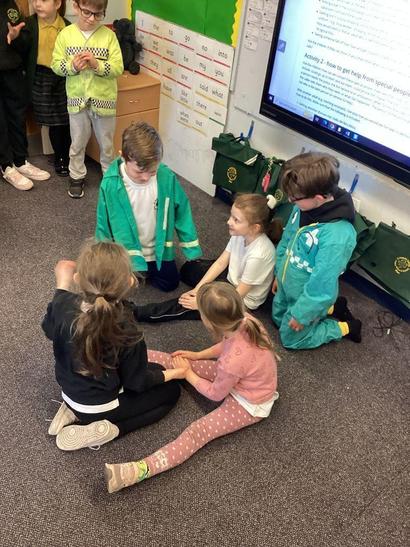
Year 3
Reflect on listening skills;
Give examples of respectful language;
Give examples of how to challenge another's viewpoint, respectfully;
Recognise that there are many different types of family;
Understand what is meant by 'adoption' and 'fostering'
Define the term 'community';
Identify the different communities that they belong to;
Recognise the benefits that come with belonging to a community, in particular the benefit to mental health and wellbeing;
Explain that people living in the UK have different origins;
Identify similarities and differences between a diverse range of people from varying national, regional, ethnic and religious backgrounds;
Identity some of the qualities that people from a diverse range of backgrounds need in order to get on together;
Recognise the factors that make people similar to and different from each other;
Recognise that repeated name calling is a form of bullying;
Suggest strategies for dealing with name calling (including talking to a trusted adult);
Understand and explain some of the reasons why different people are bullied;
Explore why people have prejudiced views and understand what this is.

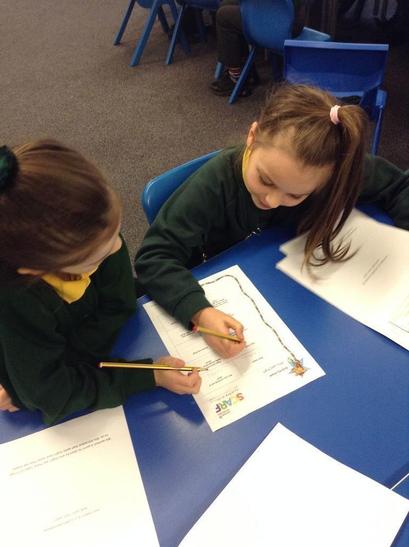
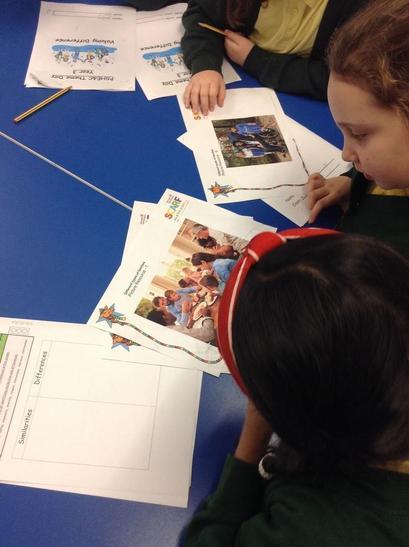
Year 4
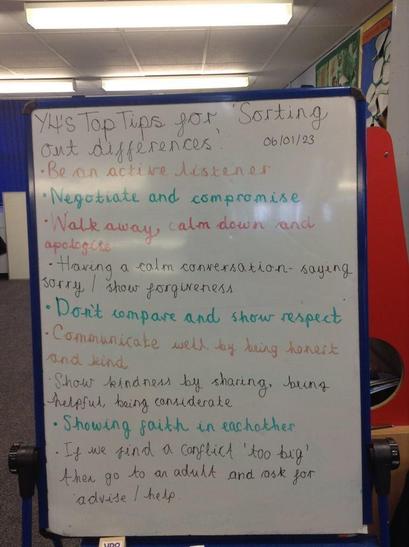
Define the terms 'negotiation' and 'compromise';
Understand the need to manage conflict or differences and suggest ways of doing this, through negotiation and compromise;
List some of the ways that people are different to each other (including differences of race, gender, religion);
Recognise potential consequences of aggressive behaviour;
Suggest strategies for dealing with someone who is behaving aggressively;
List some of the ways in which people are different to each other (including ethnicity, gender, religious beliefs, customs and festivals);
Define the word respect and demonstrate ways of showing respect to others' differences;
Understand and identify stereotypes, including those promoted in the media;
Recognise that they have different types of relationships with people they know (e.g., close family, wider family, friends, acquaintances);
Give examples of features of these different types of relationships, including how they influence what is shared;
Understand that they have the right to protect their personal body space;
Recognise how others' non-verbal signals indicate how they feel when people are close to their body space;
Suggest people they can talk to if they feel uncomfortable with other people's actions towards them.
Year 5
Define some key qualities of friendship;
Describe ways of making a friendship last;
Explain why friendships sometimes end;
List some of the ways that people are different to each other (including differences of race, gender, religion);
Recognise potential consequences of aggressive behaviour;
Suggest strategies for dealing with someone who is behaving aggressively;
List some of the ways in which people are different to each other (including ethnicity, gender, religious beliefs, customs and festivals;
Define the word respect and demonstrate ways of showing respect to others' differences;
Understand and identify stereotypes, including those promoted in the media;
Recognise that they have different types of relationships with people they know (e.g., close family, wider family, friends, acquaintances);
Give examples of features of these different types of relationships, including how they influence what is shared.
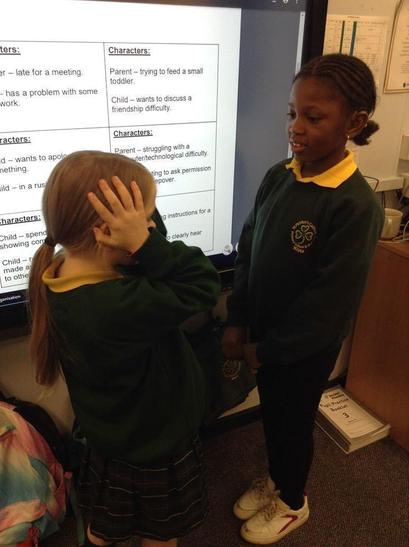
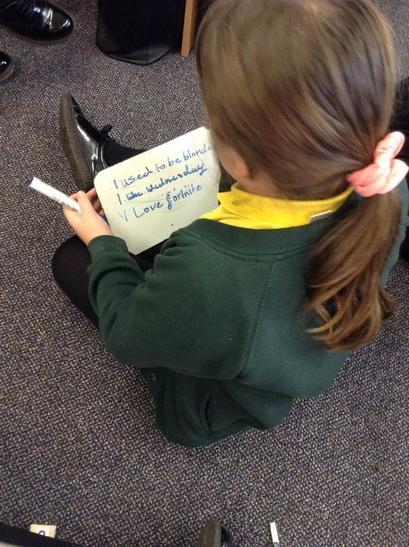
Year 6
Recognise that bullying and discriminatory behaviour can result from disrespect of people's differences;
Suggest strategies for dealing with bullying, as a bystander;
Describe positive attributes of their peers;
Know that all people are unique but that we have far more in common with each other than what is different about us;
Consider how a bystander can respond to someone being rude, offensive or bullying someone else;
Demonstrate ways of offering support to someone who has been bullied;
Demonstrate ways of showing respect to others, using verbal and non-verbal communication;
Understand and explain the term prejudice;
Identify and describe the different groups that make up their school/wider community/other parts of the UK;
Describe the benefits of living in a diverse society;
Explain the importance of mutual respect for different faiths and beliefs and how we demonstrate this.
Explain the difference between a friend and an acquaintance;
Describe qualities of a strong, positive friendship;
Describe the benefits of other types of relationship (e.g., neighbour, parent/carer, relative);
Define what is meant by the term stereotype;
Recognise how the media can sometimes reinforce gender stereotypes;
Recognise that people fall into a wide range of what is seen as normal;
Challenge stereotypical gender portrayals of people.