St Patrick's Catholic Primary School
Being My Best

The National Curriculum for PSHE aims to ensure that all pupils are equipped with a sound understanding of risk and with the knowledge and skills necessary to make safe and informed decisions.
Nursery
Talk about healthy choices and activities;
Develop resilience and persistence in their learning;
Working cooperatively with others when faced with a challenge.
Reception
Feel resilient and confident in their learning;
Name and discuss different types of feelings and emotions;
Learn and use strategies or skills in approaching challenges;
Understand that they can make healthy choices;
Name and recognise how healthy choices can keep us well.
Year 1
Recognise the importance of fruit and vegetables in their daily diet;
Know that eating at least five portions of vegetables and fruit a day helps to maintain health;
Recognise that they may have different tastes in food to others;
Select foods from the Eatwell Guide (formerly Eatwell Plate) in order to make a healthy lunch;
Recognise which foods we need to eat more of and which we need to eat less of to be healthy;
Recognise the importance of regular hygiene routines;
Sequence personal hygiene routines into a logical order;
Understand how diseases can spread;
Recognise and use simple strategies for preventing the spread of diseases;
Recognise that learning a new skill requires practice and the opportunity to fail, safely;
Understand the learning line's use as a simple tool to describe the learning process, including overcoming challenges;
Demonstrate attentive listening skills;
Suggest simple strategies for resolving conflict situations;
Give and receive positive feedback, and experience how this makes them feel.
Year 2
Explain the stages of the learning line showing an understanding of the learning process;
Help themselves and others develop a positive attitude that support their wellbeing;
Identify and describe where they are on the learning line in a given activity and apply its positive mindset strategies to their own learning;
Understand and give examples of things they can choose themselves and things that others choose for them;
Explain things that they like and dislike, and understand that they have choices about these things;
Understand and explain that some choices can be either healthy or unhealthy and can make a difference to their own health;
Explain how germs can be spread;
Describe simple hygiene routines such as hand washing;
Understand that vaccinations can help to prevent certain illnesses;
Explain the importance of good dental hygiene;
Describe simple dental hygiene routines;
Name major internal body parts (heart, blood, lungs, stomach, small and large intestines, brain);
Describe how food, water and air get into the body and blood;
How to make a clear and efficient call to emergency services if necessary;
Concepts of basic first-aid, for example dealing with common injuries, including head injuries.

Year 3
Explain how each of the food groups on the Eatwell Guide (formerly Eatwell Plate) benefits the body;
Explain what is meant by the term 'balanced diet';
Give examples what foods might make up a healthy balanced meal;
Explain how some infectious illnesses are spread from one person to another;
Explain how simple hygiene routines can help to reduce the risk of the spread of infectious illnesses;
Suggest medical and non-medical ways of treating an illness;
Name major internal body parts (heart, blood, lungs, stomach, small and large intestines, liver, brain);
Describe how food, water and air get into the body and blood;
Develop skills in discussion and debating an issue;
Demonstrate their understanding of health and wellbeing issues that are relevant to them;
Empathise with different viewpoints;
Make recommendations, based on their research;
Identify their achievements and areas of development;
Recognise that people may say kind things to help us feel good about ourselves;
Explain why some groups of people are not represented as much on television/in the media;
Explain some of the different talents and skills that people have and how skills are developed;
Recognise their own skills and those of other children in the class.
Year 4
Identify ways in which everyone is unique;
Appreciate their own uniqueness;
Recognise that there are times when they will make the same choices as their friends and times when they will choose differently;
Give examples of choices they make for themselves and choices others make for them;
Recognise that there are times when they will make the same choices as their friends and times when they will choose differently;
Understand that the body gets energy from food, water and oxygen and that exercise and sleep are important to our health;
Plan a menu which gives a healthy balanced of foods from across the food groups on the Eatwell Guide (formerly Eatwell Plate);
Understand the ways in which they can contribute to the care of the environment (using some or all of the seven Rs);
Suggest ways the Seven Rs recycling methods can be applied to different scenarios;
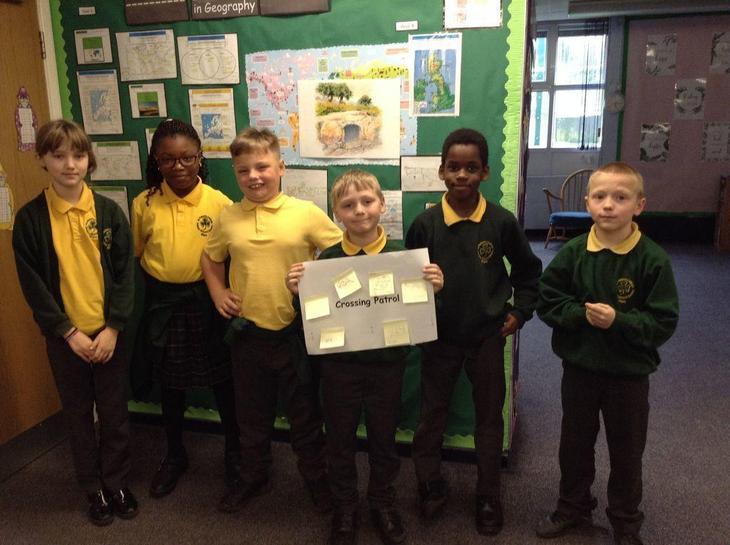
Define what is meant by the word 'community';
Suggest ways in which different people support the school community;
Identify qualities and attributes of people who support the school community;
How to make a clear and efficient call to emergency services if necessary;
Concepts of basic first-aid, for example dealing with common injuries, including head injuries.
Year 5
Know the basic functions of the four systems covered and know they are inter-related;
Explain the function of at least one internal organ;
Understand the importance of food, water and oxygen, sleep and exercise for the human body and its health;
Identify their own strengths and talents;
Identify areas that need improvement and describe strategies for achieving those improvements.
State what is meant by community;
Explain what being part of a school community means to them;
Suggest ways of improving the school community;
Identify people who are responsible for helping them stay healthy and safe;
Identify ways that they can help these people;
How to make a clear and efficient call to emergency services if necessary;
Concepts of basic first-aid, for example dealing with common injuries, including head injuries.
Year 6
Identify aspirational goals;
Describe the actions needed to set and achieve these;
Present information they researched on a health and wellbeing issues outlining the key issues and making suggestions for any improvements concerning those issues;
Identify risk factors in a given situation;
Understand and explain the outcomes of risk-taking in a given situation, including emotional risks;
Recognise what risk is;
Explain how a risk can be reduced;
Understand risks related to growing up and explain the need to be aware of these;
Assess a risk to help keep themselves safe;
How to make a clear and efficient call to emergency services if necessary;
Concepts of basic first-aid, for example dealing with common injuries, including head injuries;
Explain what the five ways to wellbeing are;
Describe how the five ways to wellbeing contribute to a healthy lifestyle, giving examples of how they can be implemented in people's lives.