St Patrick's Catholic Primary School
Growing and Changing

The National Curriculum for PSHE aims to ensure that all pupils are equipped with a sound understanding of risk and with the knowledge and skills necessary to make safe and informed decisions.
Nursery
Talk about change in the environment;
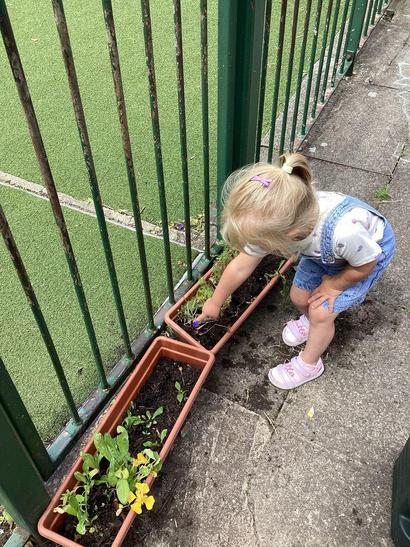
Describe the changes in babies, young animals and plants as they grow;
Broaden their expectations beyond potential stereotypes of what girls and boys like, do or look like.


Reception
Understand that there are changes in nature and humans;
Name the different stages in childhood and growing up;
Understand that babies are made by a man and a woman;
Use the correct vocabulary when naming the different parts of the body;
Know how to keep themselves safe.
Year 1
Understand that the body gets energy from food, water and air (oxygen);
Recognise that exercise and sleep are important parts of a healthy lifestyle;
Identify things they could do as a baby, a toddler and can do now;
Identify the people who help/helped them at those different stages;
Understand some of the tasks required to look after a baby;
Explain how to meet the basic needs of a baby, for example, eye contact, cuddling, washing, changing, feeding;
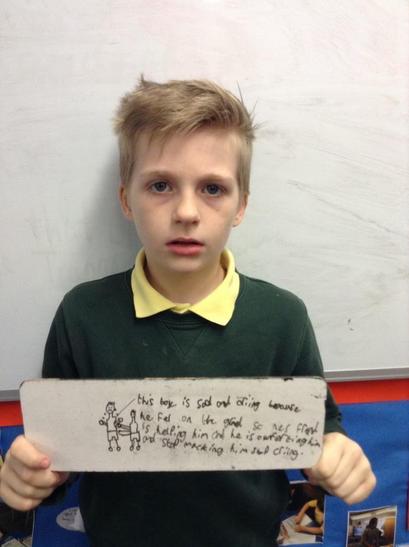
Explain the difference between teasing and bullying;
Give examples of what they can do if they experience or witness bullying;
Say who they could get help from in a bullying situation;
Explain the difference between teasing and bullying;
Give examples of what they can do if they experience or witness bullying;
Say who they could get help from in a bullying situation;
Explain the difference between a secret and a nice surprise;
Identify situations as being secrets or surprises;
Identify who they can talk to if they feel uncomfortable about any secret they are told, or told to keep;
Identify parts of the body that are private;
Describe ways in which private parts can be kept private;
Identify people they can talk to about their private parts.
Year 2
Demonstrate simple ways of giving positive feedback to others;
Recognise the range of feelings that are associated with losing (and being reunited) with a person they are close to;
Identify different stages of growth (e.g., baby, toddler, child, teenager, adult);
Understand and describe some of the things that people are capable of at these different stages;
Identify which parts of the human body are private;
Explain that a person's genitals help them to make babies when they are grown up;
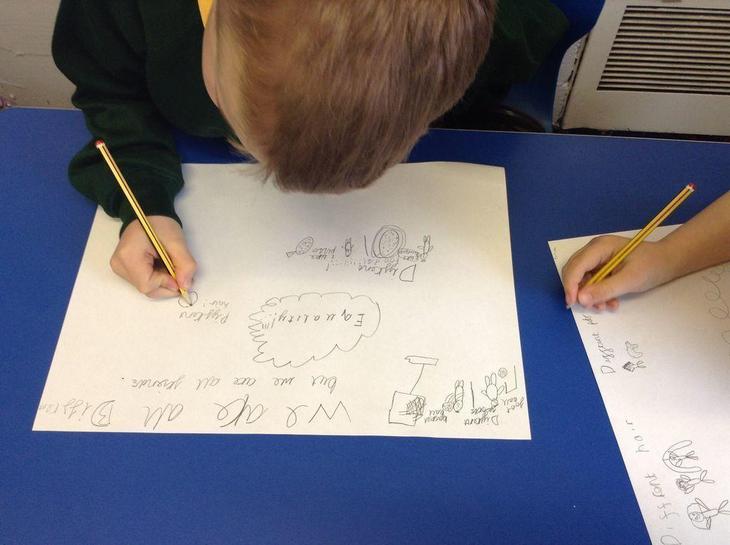
Understand that humans mostly have the same body parts but that they can look different from person to person;
Explain what privacy means;
Know that you are not allowed to touch someone’s private belongings without their permission;
Give examples of different types of private information;
Identify how inappropriate touch can make someone feel;
Understand that there are unsafe secrets and secrets that are nice surprises;
Explain that if someone is being touched in a way that they don’t like they have to tell someone in their safety network so they can help it stop.

Year 3
Identify different types of relationships;
Recognise who they have positive healthy relationships with;
Recognise the range of feelings that are associated with losing (and being reunited) with a person they are close to;
Know that our body can often give us a sign when something doesn't feel right; to trust these signs and talk to a trusted adult if this happens;
Recognise and describe appropriate behaviour online as well as offline;
Identify what constitutes personal information and when it is not appropriate or safe to share this;
Understand and explain how to get help in a situation where requests for images or information of themselves or others occurs;
Define the terms 'secret' and 'surprise' and know the difference between a safe and an unsafe secret;
Recognise how different surprises and secrets might make them feel;
Know who they could ask for help if a secret made them feel uncomfortable or unsafe;
How to make a clear and efficient call to emergency services if necessary;
Concepts of basic first-aid, for example dealing with common injuries, including head injuries.

Year 4
Describe some of the changes that happen to people during their lives;
Explain how the Learning Line can be used as a tool to help them manage change more easily;
Suggest people who may be able to help them deal with change;
Name some positive and negative feelings;
Suggest reasons why young people sometimes fall out with their parents;
Take part in a role play practising how to compromise;
Define the terms 'secret' and 'surprise' and know the difference between a safe and an unsafe secret;
Recognise how different surprises and secrets might make them feel;
Know who they could ask for help if a secret made them feel uncomfortable or unsafe;
Understand that marriage is a commitment to be entered into freely and not against someone's will;
Know the legal age for marriage in England or Scotland;
Discuss the reasons why a person would want to be married.
Year 5
Use a range of words and phrases to describe the intensity of different feelings;
Distinguish between good and not so good feelings, using appropriate vocabulary to describe these;
Explain strategies they can use to build resilience;
Identify people who can be trusted;
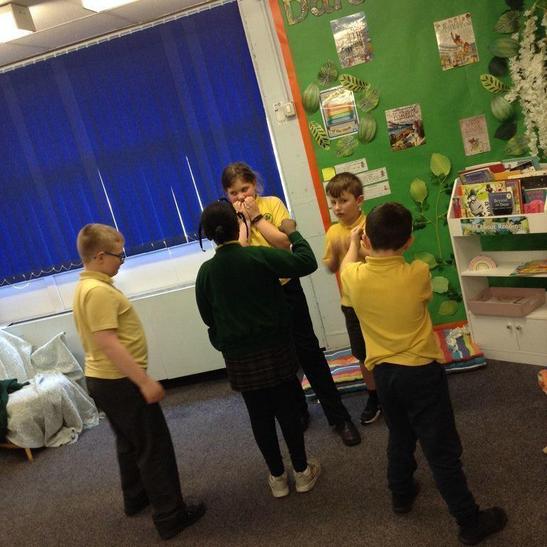
Understand what kinds of touch are acceptable or unacceptable;
Describe strategies for dealing with situations in which they would feel uncomfortable, particularly in relation to inappropriate touch;
Explain the difference between a safe and an unsafe secret;
Identify situations where someone might need to break a confidence in order to keep someone safe;
Recognise how our body feels when we’re relaxed;
List some of the ways our body feels when it is nervous or sad;
Describe and/or demonstrate how to be resilient in order to find someone who will listen to you.
Year 6
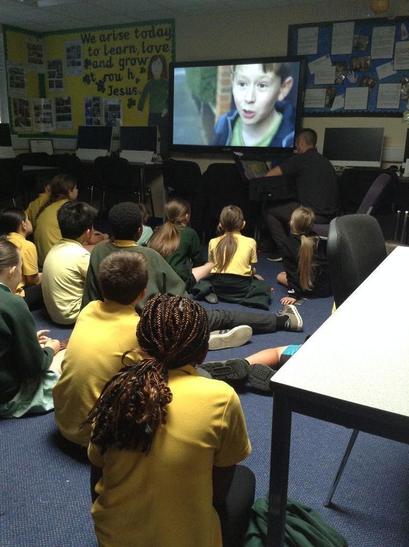
Understand that fame can be short-lived;
Recognise that photos can be changed to match society's view of perfect;
Identify qualities that people have, as well as their looks;
Define what is meant by the term stereotype;
Recognise how the media can sometimes reinforce gender stereotypes;
Recognise that people fall into a wide range of what is seen as normal;
Challenge stereotypical gender portrayals of people;
Understand the risks of sharing images online and how these are hard to control, once shared;
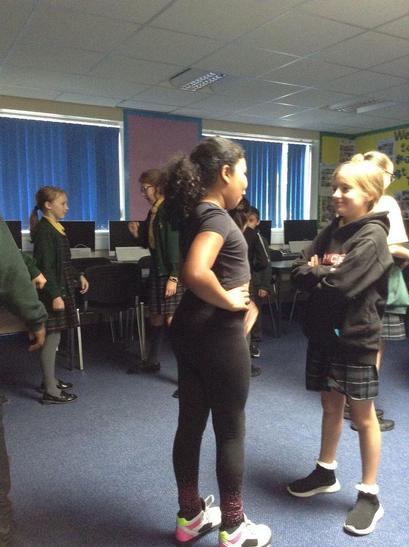
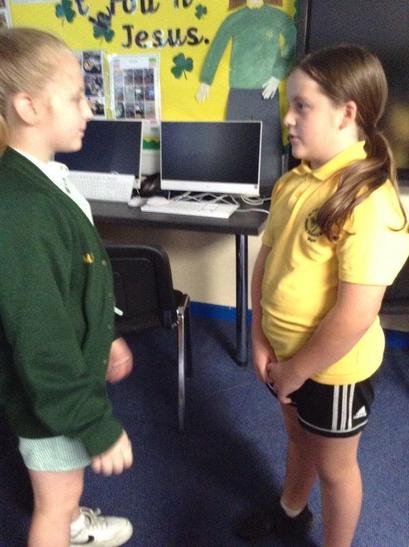
Understand that people can feel pressured to behave in a certain way because of the influence of the peer group;
Understand the norms of risk-taking behaviour and that these are usually lower than people believe them to be;
Recognise some of the changes they have experienced and their emotional responses to those changes;
Suggest positive strategies for dealing with change;
Identify people who can support someone who is dealing with a challenging time of change;
Know where someone could get support if they were concerned about their own or another person's safety;
Recognise how our body feels when we’re relaxed;
List some of the ways our body feels when it is nervous or sad;
Describe and/or demonstrate how to be resilient in order to find someone who will listen to you.