St Patrick's Catholic Primary School
Me and My Relationships

The National Curriculum for PSHE aims to ensure that all pupils are equipped with a sound understanding of risk and with the knowledge and skills necessary to make safe and informed decisions.
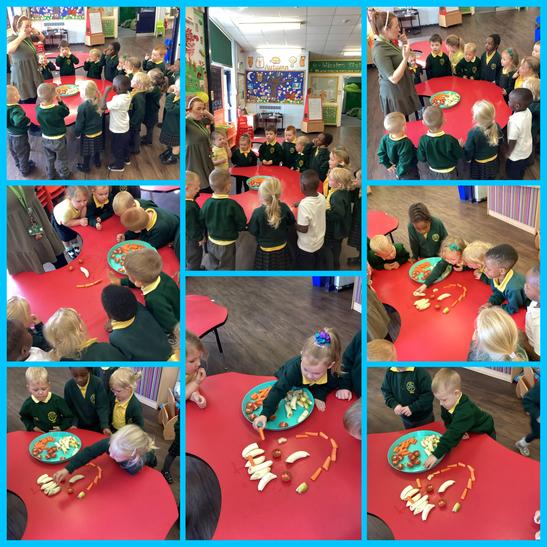
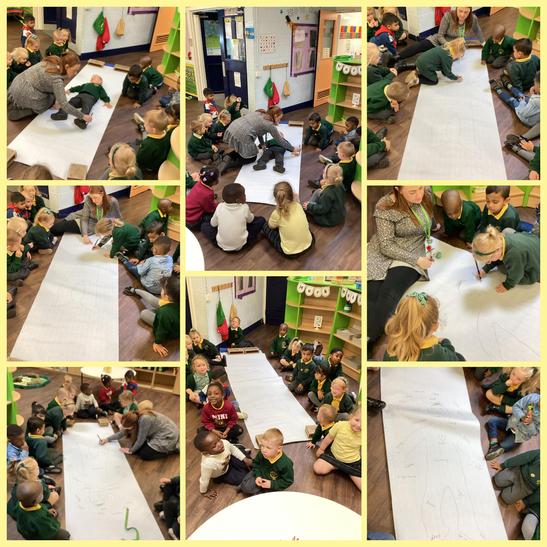
Nursery
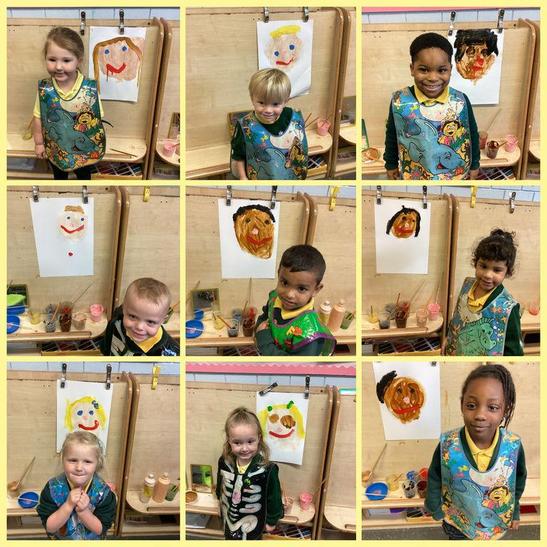
Recognise that we are unique;
Describe different feelings and use this skill to manage relationships;
Understand that some families are different from theirs, but these families also love and care for one another.
Reception
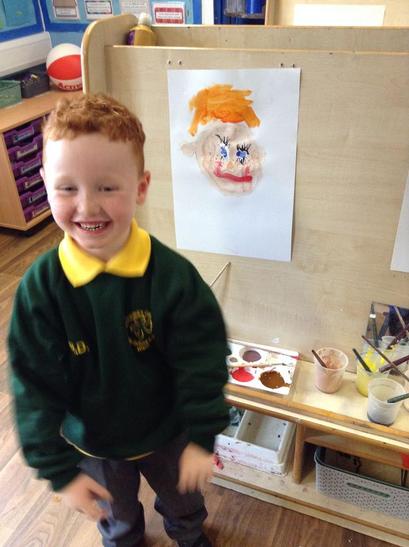
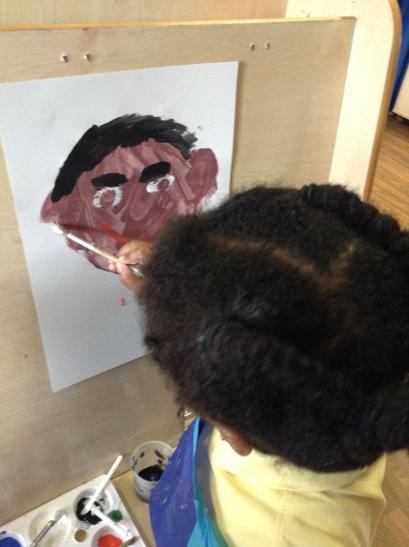
Talk about similarities and differences;
Name special people in their lives;
Describe different feelings;
Identify who can help if they are sad, worried or scared;
Identify ways to help others or themselves if they are sad or worried.
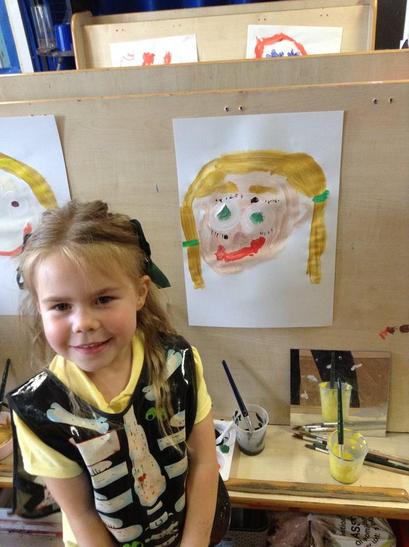
Year 1
Understand that classroom rules help everyone to learn and be safe;
Explain their classroom rules and be able to contribute to making these;
Identify what they like about the school environment;
Recognise who cares for and looks after the school environment;
Recognise how others might be feeling by reading body language/facial expressions;
Understand and explain how our emotions can give a physical reaction in our body;
Identify a range of feelings;
Identify how feelings might make us behave:
Suggest strategies for someone experiencing 'not so good' feelings to manage these;
Recognise that people's bodies and feelings can be hurt;
Suggest ways of dealing with different kinds of hurt;
Identify simple qualities of friendship;
Suggest simple strategies for making up.
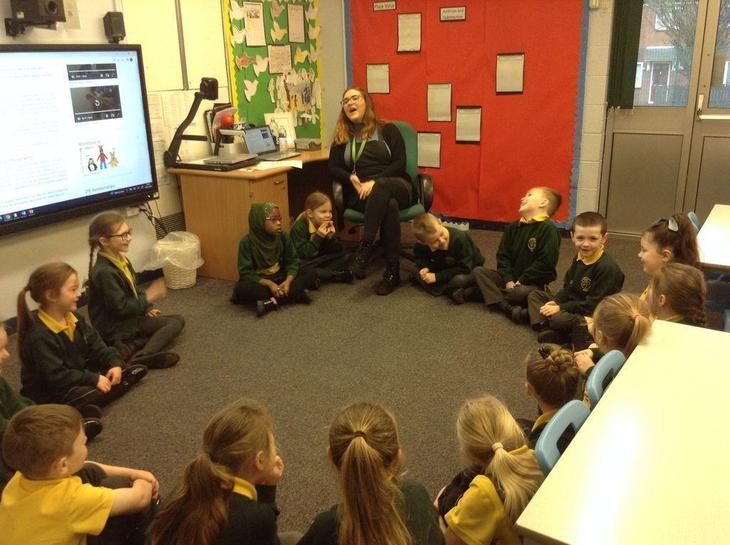
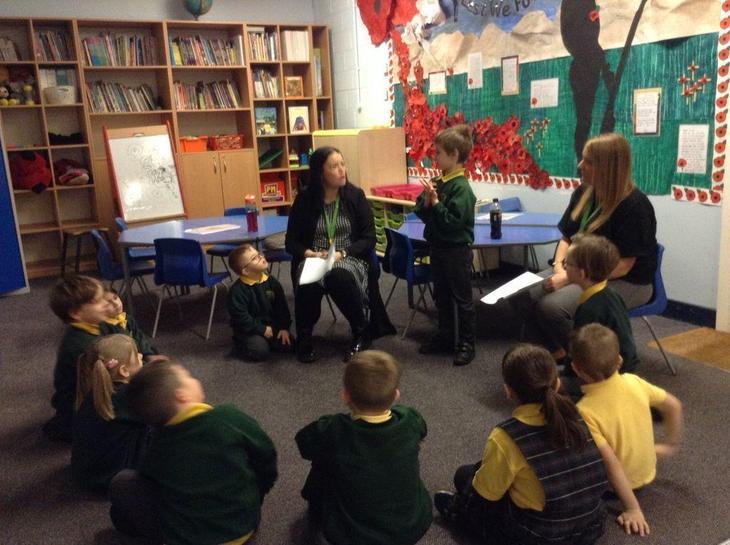
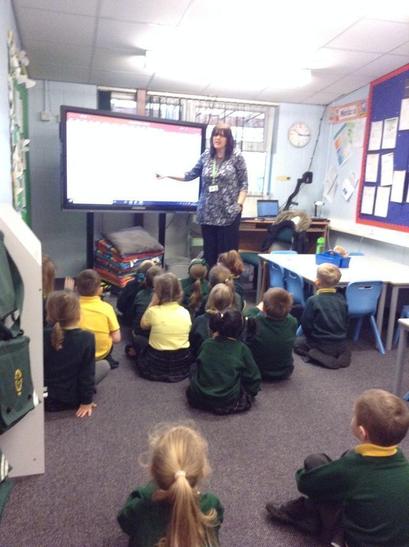
Year 2
Suggest actions that will contribute positively to the life of the classroom;
Make and undertake pledges based on those actions;
Use a range of words to describe feelings;
Recognise that people have different ways of expressing their feelings;
Identify helpful ways of responding to other's feelings;
Use a range of words to describe feelings;
Recognise that people have different ways of expressing their feelings;
Identify helpful ways of responding to other's feelings;
Recognise, name and understand how to deal with feelings (e.g., anger, loneliness);
Explain where someone could get help if they were being upset by someone else’s behaviour;
Recognise that friendship is a special kind of relationship;
Identify some of the ways that good friends care for each other;
Explain the difference between bullying and isolated unkind behaviour;
Recognise that that there are different types of bullying and unkind behaviour;
Understand that bullying and unkind behaviour are both unacceptable ways of behaving;
Understand and describe strategies for dealing with bullying:
Rehearse and demonstrate some of these strategies.

Year 3
Explain why we have rules;
Explore why rules are different for different age groups, in particular for internet-based activities;
Suggest appropriate rules for a range of settings;
Consider the possible consequences of breaking the rules;
Identify people who they have a special relationship with;
Suggest strategies for maintaining a positive relationship with their special people;
Rehearse and demonstrate simple strategies for resolving given conflict situations;
Identify qualities of friendship;
Suggest reasons why friends sometimes fall out;
Rehearse and use, now or in the future, skills for making up again;
Express opinions and listen to those of others;
Consider others' points of view;
Practise explaining the thinking behind their ideas and opinions;
Explain what a dare is;
Understand that no-one has the right to force them to do a dare;
Suggest strategies to use if they are ever made to feel uncomfortable or unsafe by someone asking them to do a dare.

Year 4
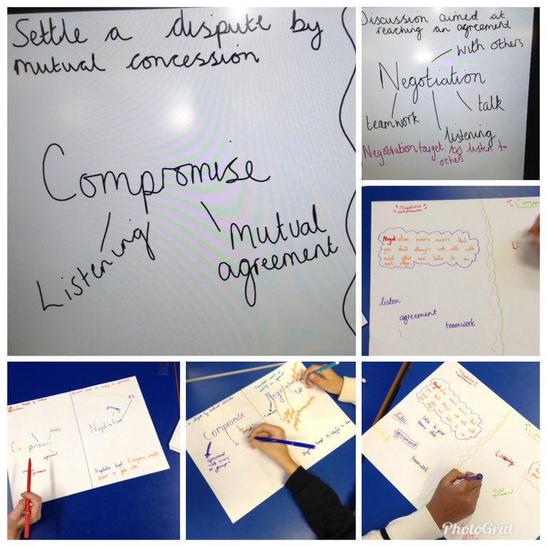
Demonstrate strategies for working on a collaborative task;
Define successful qualities of teamwork and collaboration;
Explain what we mean by a ‘positive, healthy relationship’;
Describe some of the qualities that they admire in others;
Recognise that there are times when they might need to say 'no' to a friend;
Describe appropriate assertive strategies for saying 'no' to a friend;
Describe 'good' and 'not so good' feelings and how feelings can affect our physical state;
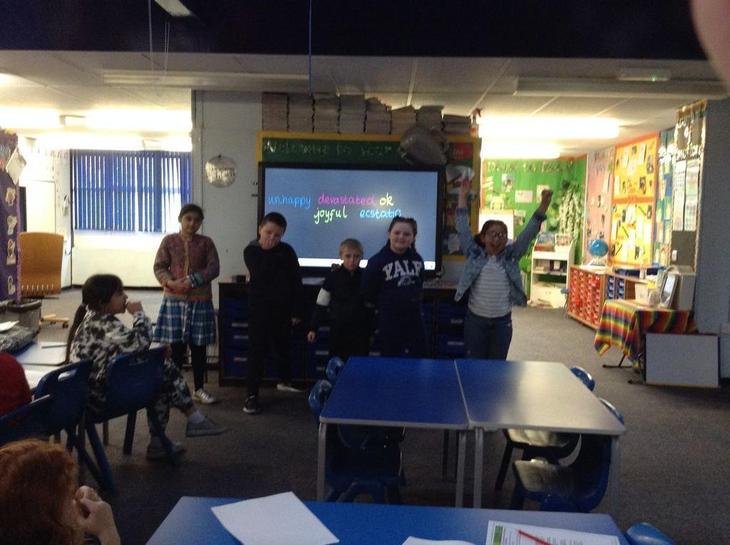
Explain how different words can express the intensity of feelings;
Identify a wide range of feelings;
Recognise that different people can have different feelings in the same situation;
Explain how feelings can be linked to physical state;
Give examples of strategies to respond to being bullied, including what people can do and say;
Understand and give examples of who or where pressure to behave in an unhealthy, unacceptable or risky way might come from.
Year 5
Explain what collaboration means;
Give examples of how they have worked collaboratively;
Describe the attributes needed to work collaboratively;
Explain what we mean by a ‘positive, healthy relationship’;
Describe some of the qualities that they admire in others;
Demonstrate how to respond to a wide range of feelings in others;
Give examples of some key qualities of friendship;
Reflect on their own friendship qualities;
Identify what things make a relationship unhealthy;
Identify who they could talk to if they needed help;
Recognise basic emotional needs, understand that they change according to circumstance;
Identify risk factors in a given situation (involving smoking or other scenarios) and consider outcomes of risk taking in this situation, including emotional risks;
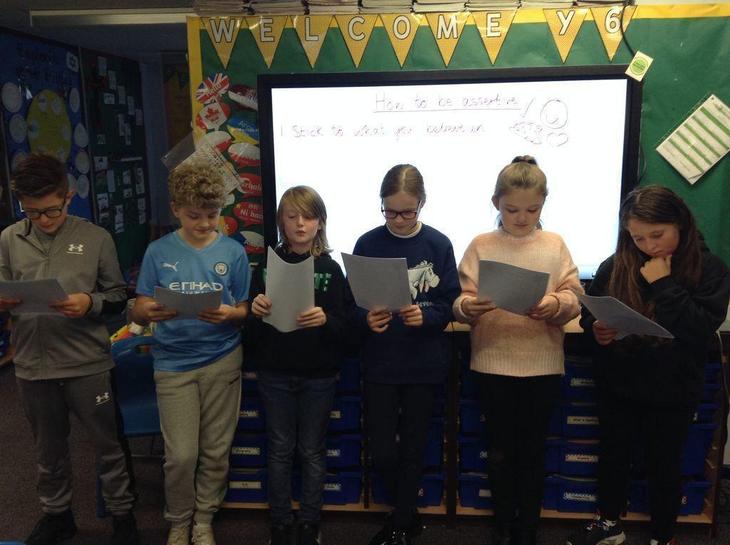
Identify characteristics of passive, aggressive and assertive behaviours;
Understand and rehearse assertiveness skills.
Year 6
Demonstrate a collaborative approach to a task;
Describe and implement the skills needed to do this;
Recognise some of the challenges that arise from friendships;
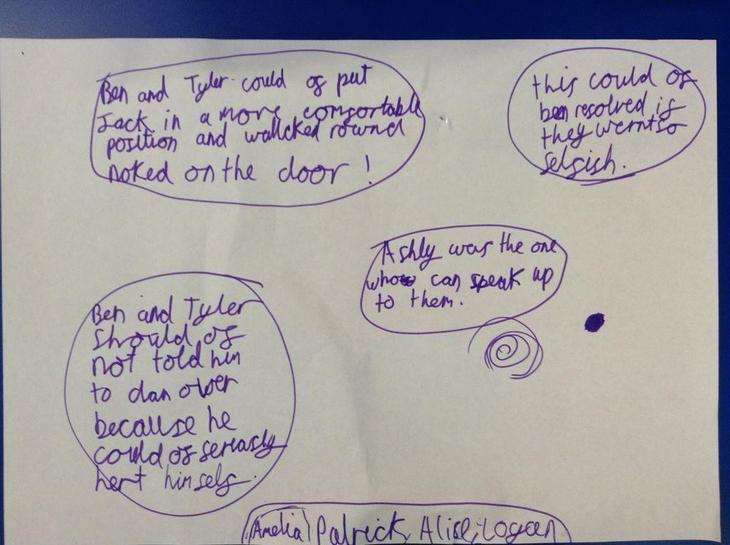
Suggest strategies for dealing with such challenges demonstrating the need for respect and an assertive approach;
Recognise and empathise with patterns of behaviour in peer-group dynamics;
Recognise basic emotional needs and understand that they change according to circumstance;
Suggest strategies for dealing assertively with a situation where someone under pressure may do something they feel uncomfortable about;
Describe ways in which people show their commitment to each other;
Know the ages at which a person can marry, depending on whether their parents agree;
Understand that everyone has the right to be free to choose who and whether to marry;
Recognise that some types of physical contact can produce strong negative feelings;
Know that some inappropriate touch is also illegal.