St Patrick's Catholic Primary School
Keeping Myself Safe

The National Curriculum for PSHE aims to ensure that all pupils are equipped with a sound understanding of risk and with the knowledge and skills necessary to make safe and informed decisions.
Nursery
Explain what they should do if they feel unsafe;
Recognise potential dangers and how to stay safe, inside and outside;
Learn the importance of keeping safe around medicines and unknown products.
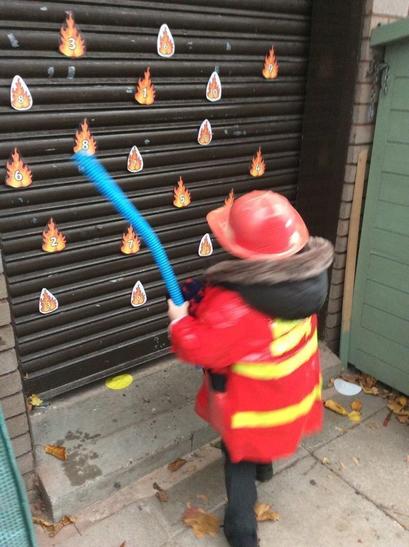

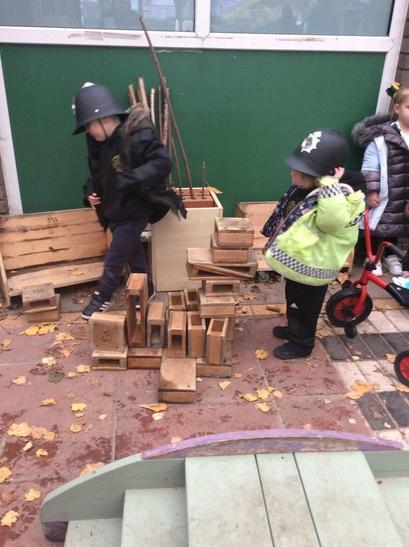
Reception
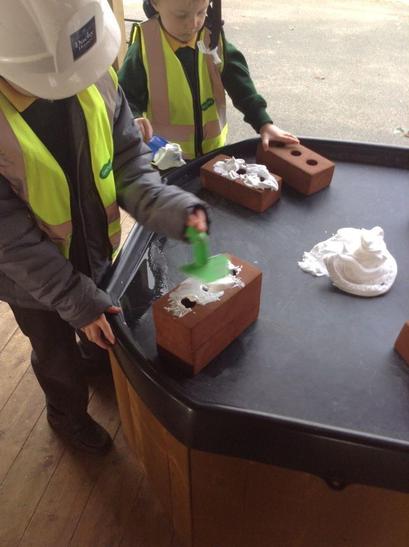
Talk about how to keep their bodies healthy and safe;
Name ways to stay safe around medicines;
Know how to stay safe in their home, classroom and outside;
Know age-appropriate ways to stay safe online;
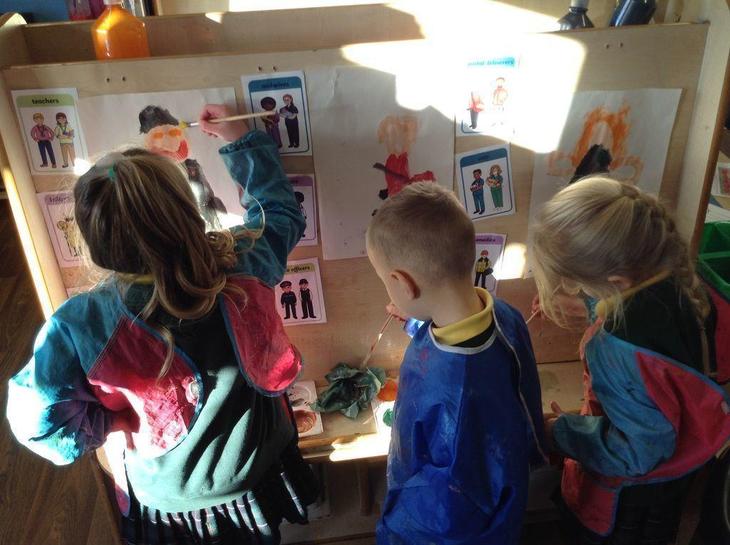
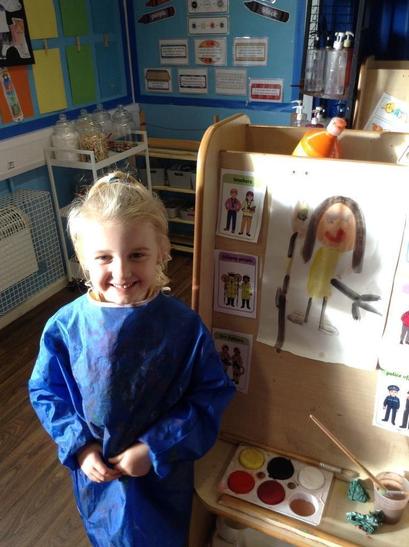
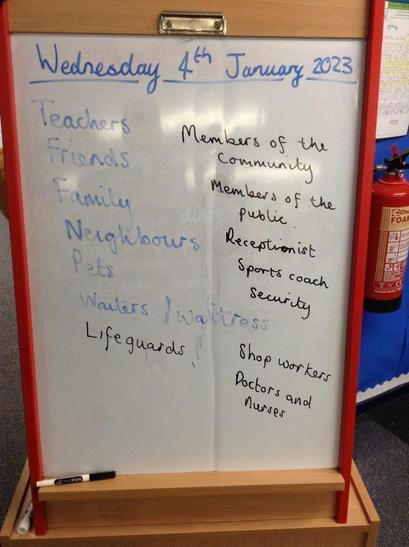
Name adults in their lives and those in their community who keep them safe.
Year 1
Recognise the importance of sleep in maintaining a healthy, balanced lifestyle;
Identify simple bedtime routines that promote healthy sleep;
Recognise emotions and physical feelings associated with feeling unsafe;
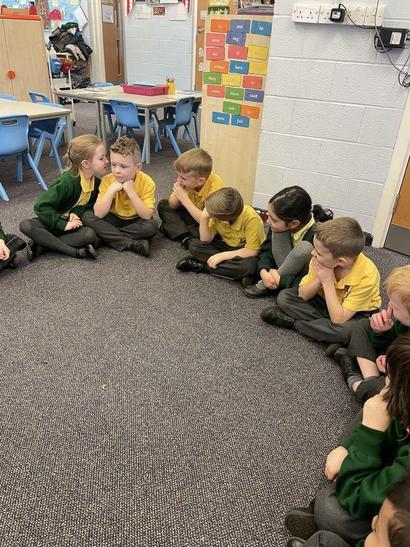
Identify people who can help them when they feel unsafe.
Understand and learn the PANTS rules;
Name and know which parts should be private;
Explain the difference between appropriate and inappropriate touch;
Understand that they have the right to say “no” to unwanted touch;
Start thinking about who they trust and who they can ask for help;
Understand that medicines can sometimes make people feel better when they’re ill;
Explain simple issues of safety and responsibility about medicines and their use;
Recognise the range of feelings that are associated with loss.

Year 2
Understand that medicines can sometimes make people feel better when they’re ill;
Give examples of some of the things that a person can do to feel better without use of medicines, if they are unwell;
Explain simple issues of safety and responsibility about medicines and their use;
Identify situations in which they would feel safe or unsafe;
Suggest actions for dealing with unsafe situations including who they could ask for help;
Recognise that body language and facial expression can give clues as to how comfortable and safe someone feels in a situation;
Identify the types of touch they like and do not like;
Identify who they can talk to if someone touches them in a way that makes them feel uncomfortable;
Recognise that some touches are not fun and can hurt or be upsetting;
Know that they can ask someone to stop touching them;
Identify who they can talk to if someone touches them in a way that makes them feel uncomfortable;
Identify safe secrets (including surprises) and unsafe secrets;
Recognise the importance of telling someone they trust about a secret which makes them feel unsafe or uncomfortable.

Year 3
Identify situations which are safe or unsafe;
Identify people who can help if a situation is unsafe;
Suggest strategies for keeping safe;
Define the words danger and risk and explain the difference between the two;
Demonstrate strategies for dealing with a risky situation;
Identify risk factors in given situations;
Suggest ways of reducing or managing those risks;
Evaluate the validity of statements relating to online safety;
Recognise potential risks associated with browsing online;
Give examples of strategies for safe browsing online;
Understand that medicines are drugs and suggest ways that they can be helpful or harmful;
Identify some key risks from and effects of cigarettes and alcohol;
Know that most people choose not to smoke cigarettes; (Social Norms message);
Define the word 'drug' and understand that nicotine and alcohol are both drugs. 
Year 4
Define the terms 'danger', 'risk' and 'hazard' and explain the difference between them;
Identify situations which are either dangerous, risky or hazardous;
Suggest simple strategies for managing risk;
Define what is meant by the word 'dare';
Identify from given scenarios which are dares and which are not;
Suggest strategies for managing dares;
Describe stages of identifying and managing risk;
Suggest people they can ask for help in managing risk;
Understand that we can be influenced both positively and negatively;
Give examples of some of the consequences of behaving in an unacceptable, unhealthy or risky way;
Identify images that are safe/unsafe to share online;
Know and explain strategies for safe online sharing;
Understand and explain the implications of sharing images online without consent;
Understand that medicines are drugs;
Explain safety issues for medicine use;
Suggest alternatives to taking a medicine when unwell;
Suggest strategies for limiting the spread of infectious diseases (e.g., hand-washing routines).
Year 5
Demonstrate strategies to deal with both face-to-face and online bullying;
Demonstrate strategies and skills for supporting others who are bullied;
Recognise and describe the difference between online and face-to-face bullying;
Consider what information is safe/unsafe to share offline and online, and reflect on the consequences of not keeping personal information private;
Recognise that people aren’t always who they appear to be online and explain risks of being friends online with a person they have not met face-to-face;
Know how to protect personal information online;
Recognise disrespectful behaviour online and know how to respond to it;
Recognise which situations are risky;
Explore and share their views about decision making when faced with a risky situation;
Suggest what someone should do when faced with a risky situation;
Define what is meant by a dare;
Explain why someone might give a dare;
Suggest ways of standing up to someone who gives a dare;
Describe some of the health risks caused by vaping;
Understand that there are potential health risks of vaping that are not yet fully known;
Use critical thinking skills when reading information/media;
Understand that companies selling vaping products do so to make money;
Describe some of the possible outcomes of taking a risk;
Identify risk factors in a given situation (involving smoking) and consider outcomes of risk taking in this situation, including emotional risks;
Understand the actual norms around smoking/alcohol and the reasons for common misperceptions of these.
Year 6
Accept that responsible and respectful behaviour is necessary when interacting with others online and face-to-face;
Understand and describe the ease with which something posted online can spread;
Know that it is illegal to create and share sexual images of children under 18 years old;
Explore the risks of sharing photos and films of themselves with other people directly or online;
Know how to keep their information private online;
Define what is meant by addiction, demonstrating an understanding that addiction is a form of behaviour;
Understand that all humans have basic emotional needs and explain some of the ways these needs can be met;
Explain how drugs can be categorised into different groups depending on their medical and legal context;
Demonstrate an understanding that drugs can have both medical and non-medical uses;
Explain in simple terms some of the laws that control drugs in this country;
Understand some of the basic laws in relation to drugs;
Explain why there are laws relating to drugs in this country;
Understand the actual norms around drinking alcohol and the reasons for common misperceptions of these;
Describe some of the effects and risks of drinking alcohol.