St Patrick's Catholic Primary School
3 - 4 Year Olds
*Develop fast recognition of up to 3 objects, without having to count them individually (‘subitising’).
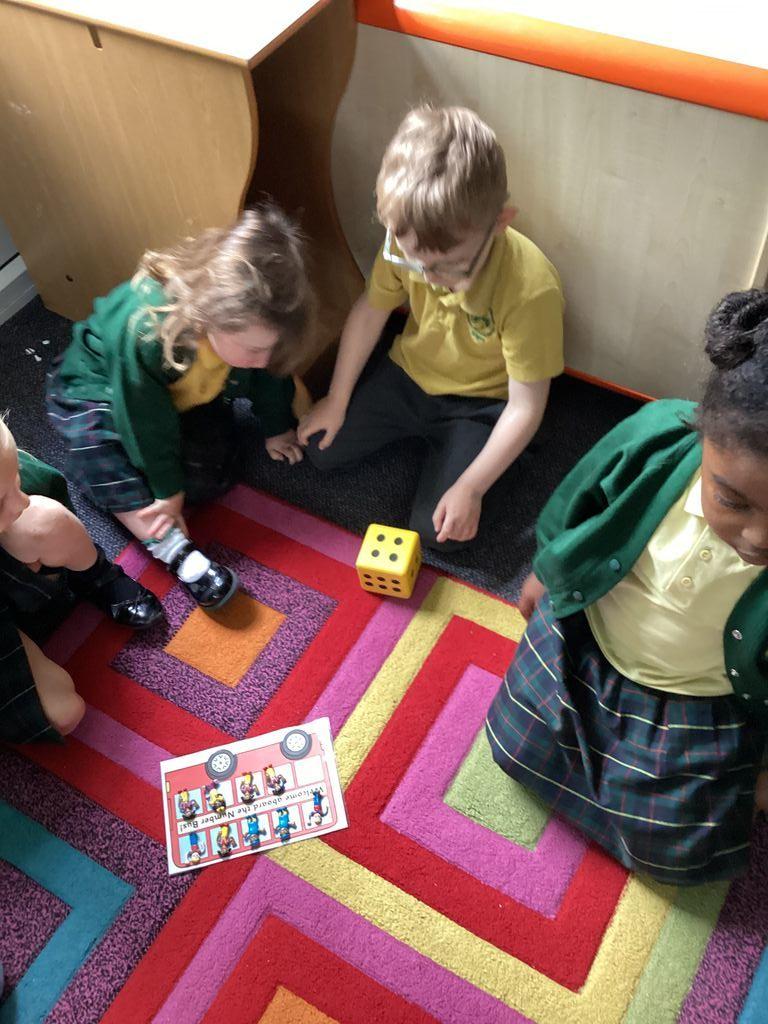
*Recite numbers past 5.
*Say one number for each item in order: 1,2,3,4,5.
3---4-year-olds
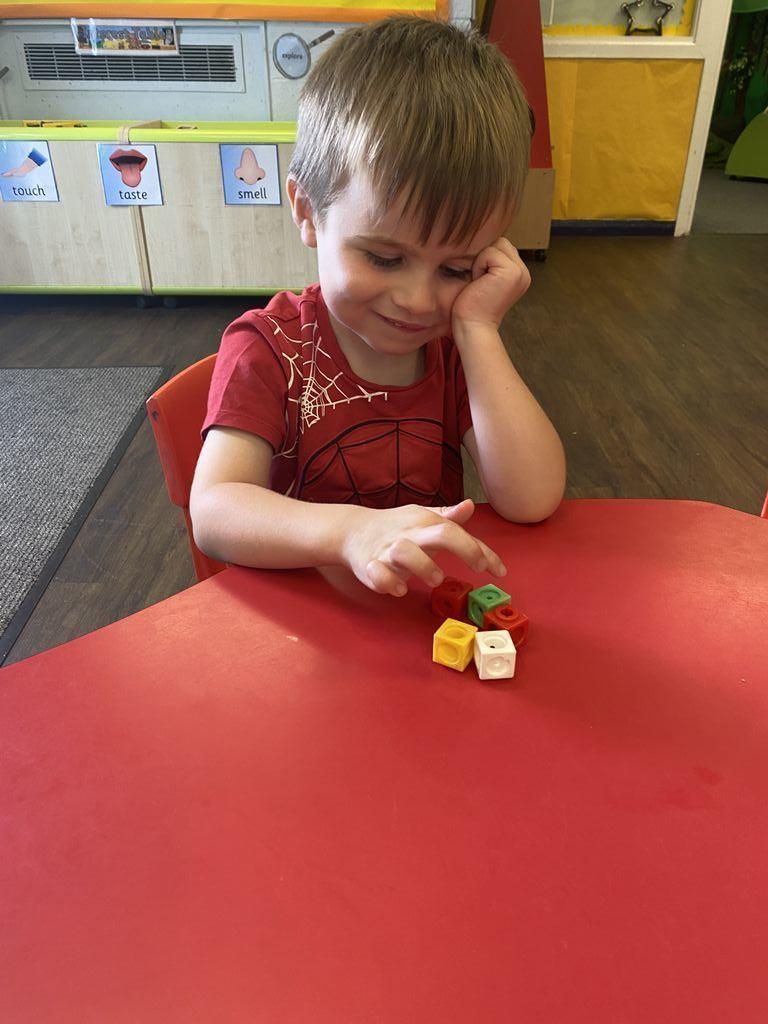
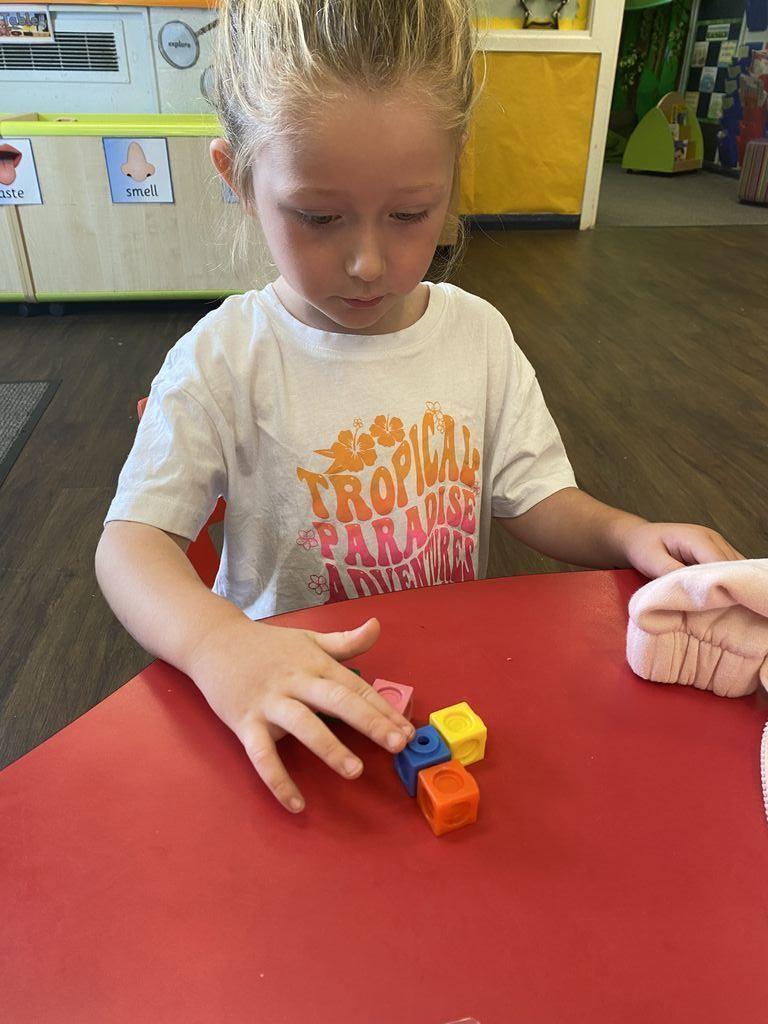
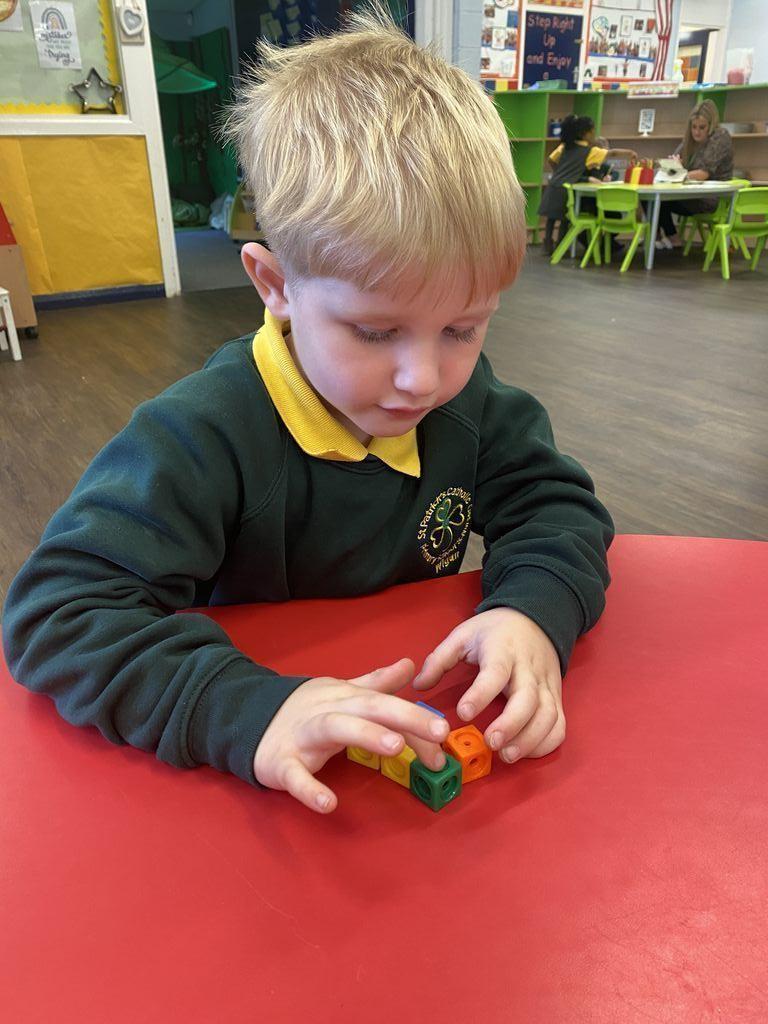
*Know that the last number reached when counting a small set of objects tells you how many there are in total (‘cardinal principle’).
*Show ‘finger numbers’ up to 5.
*Link numerals and amounts: for example, showing the right number of objects to match the numeral, up to 5.
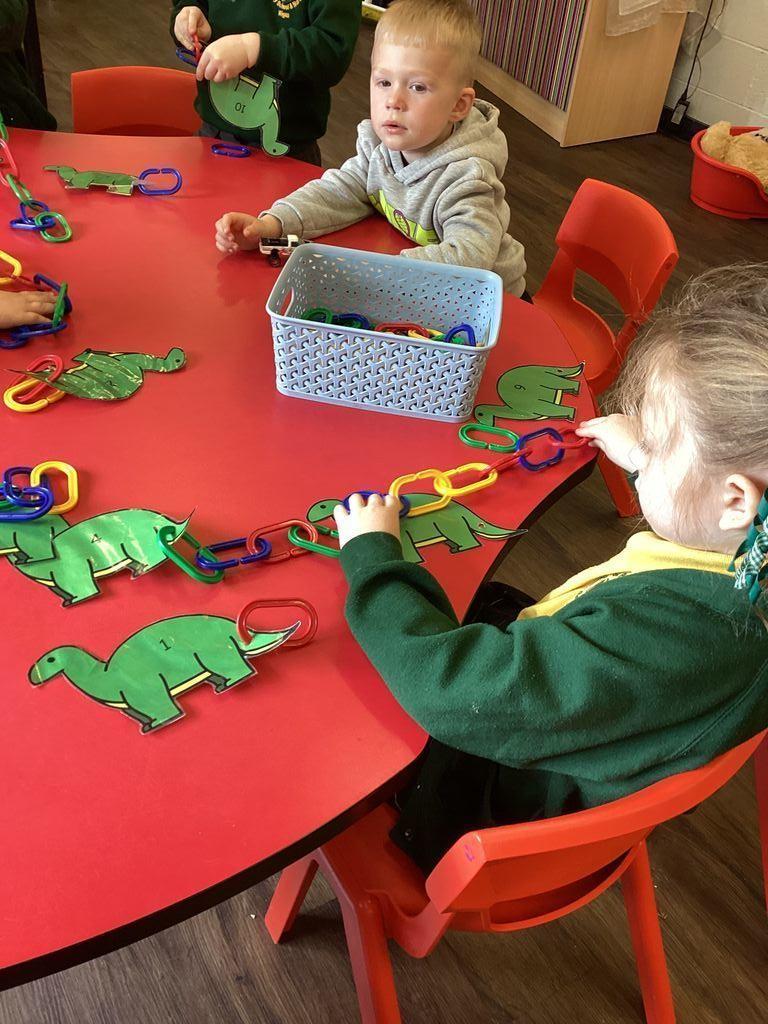
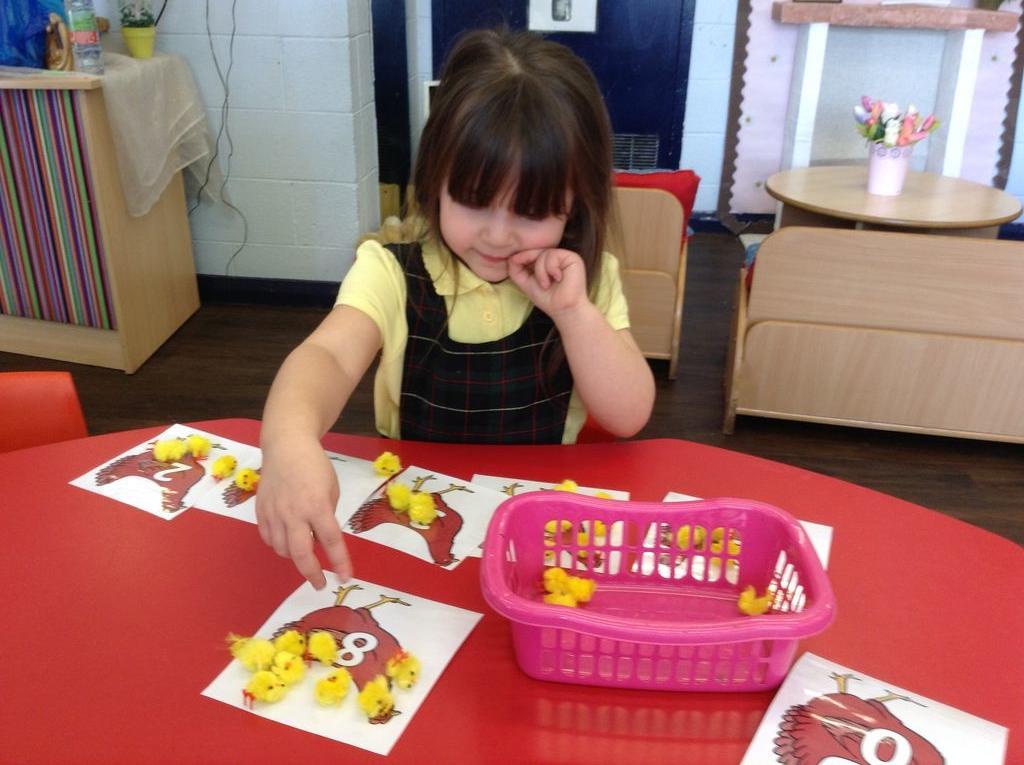
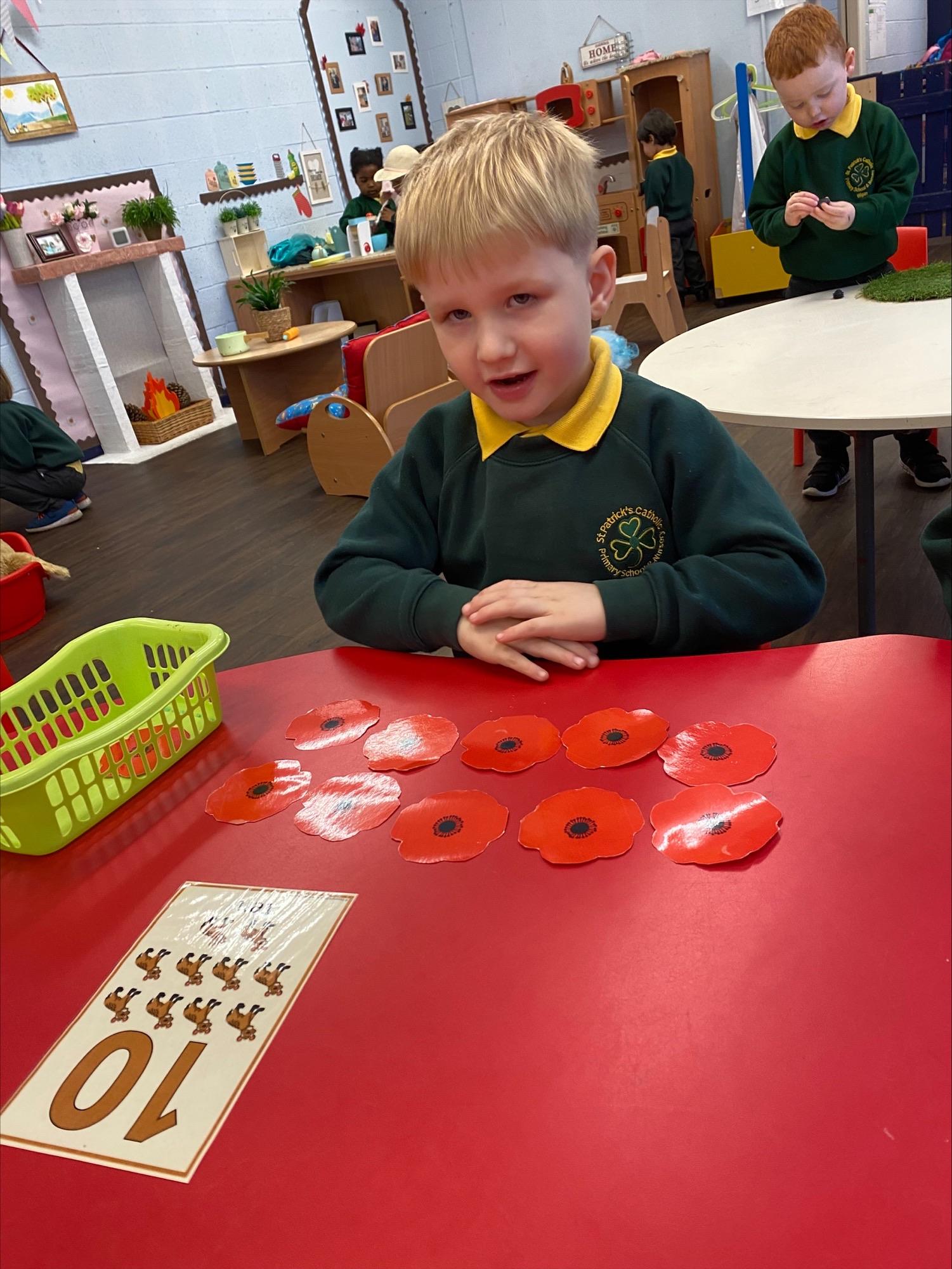
*Experiment with their own symbols and marks as well as numerals.
*Solve real world mathematical problems with numbers up to 5.
*Compare quantities using language: ‘more than’, ‘fewer than’.
*Talk about and explore 2D and 3D shapes (for example, circles, rectangles, triangles and cuboids) using informal and mathematical language: ‘sides’, ‘corners’; ‘straight’, ‘flat’, ‘round’.
3---4-year-olds
*Understand position through words alone – for example, “The bag is under the table,” – with no pointing.
*Describe a familiar route.
*Discuss routes and locations, using words like ‘in front of’ and ‘behind’.
*Make comparisons between objects relating to size, length, weight and capacity.
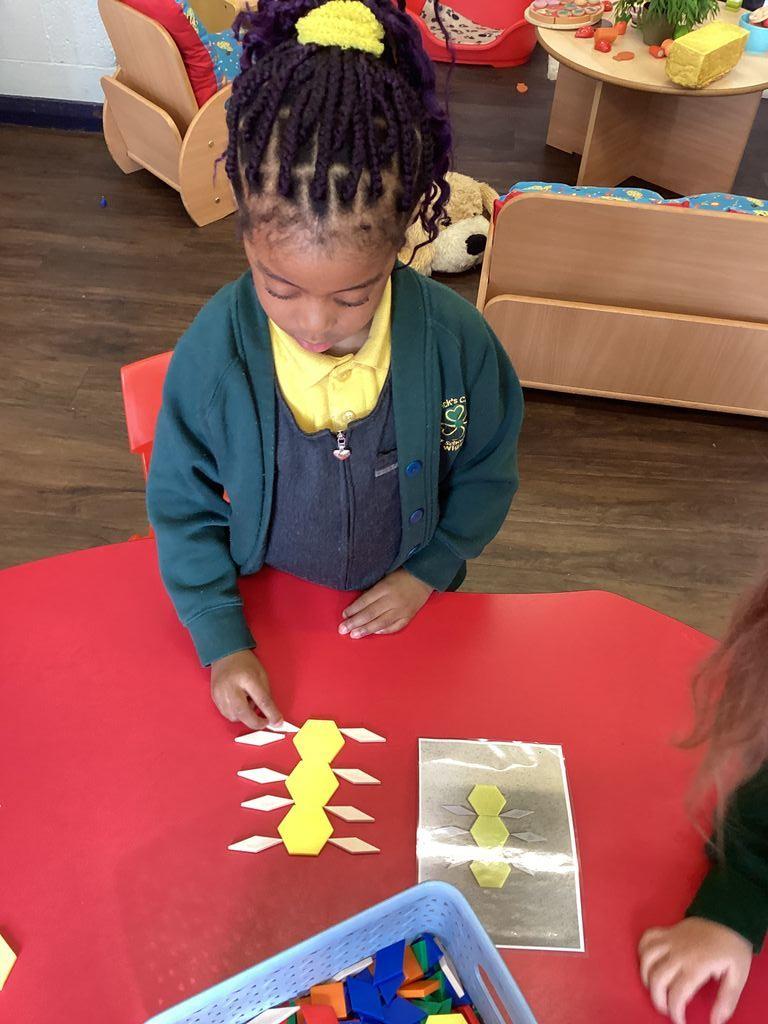
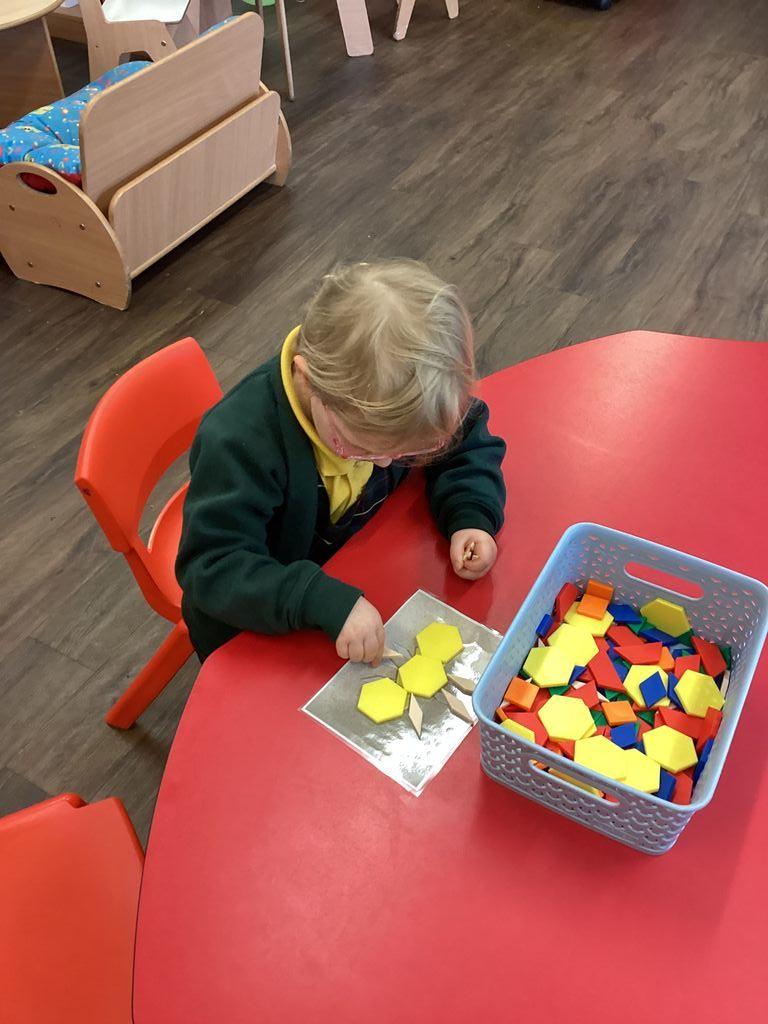
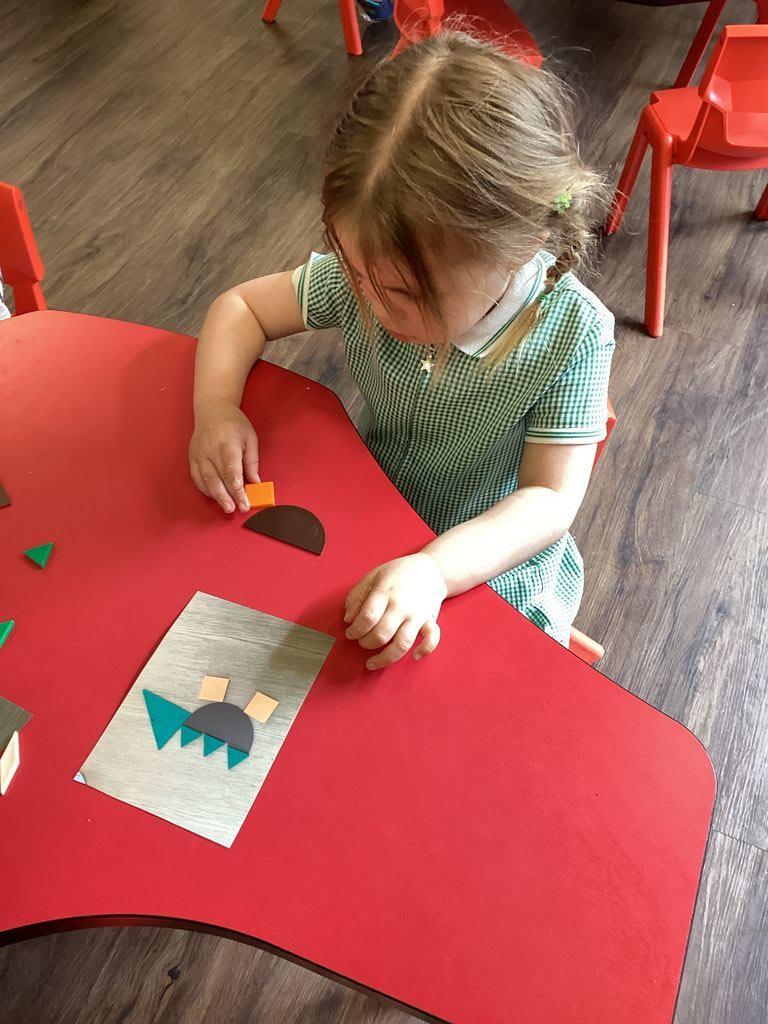
*Select shapes appropriately: flat surfaces for building, a triangular prism for a roof, etc.
*Combine shapes to make new ones – an arch, a bigger triangle, etc.
*Talk about and identifies the patterns around them. For example: stripes on clothes, designs on rugs and wallpaper. Use informal language like ‘pointy’, ‘spotty’, ‘blobs’, etc.
*Extend and create ABAB patterns – stick, leaf, stick, leaf.
3---4-year-olds
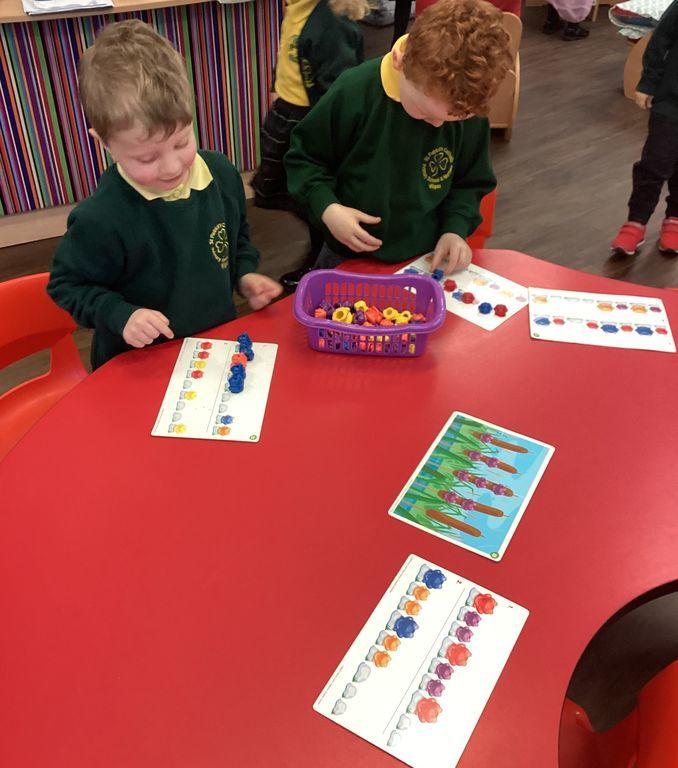
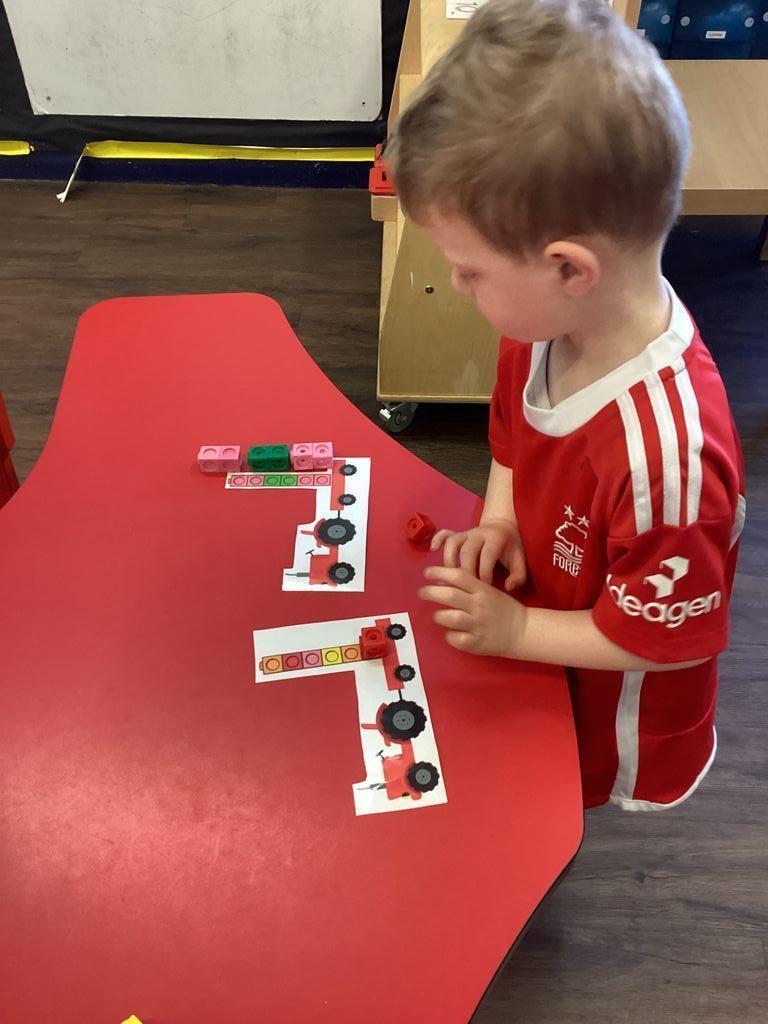
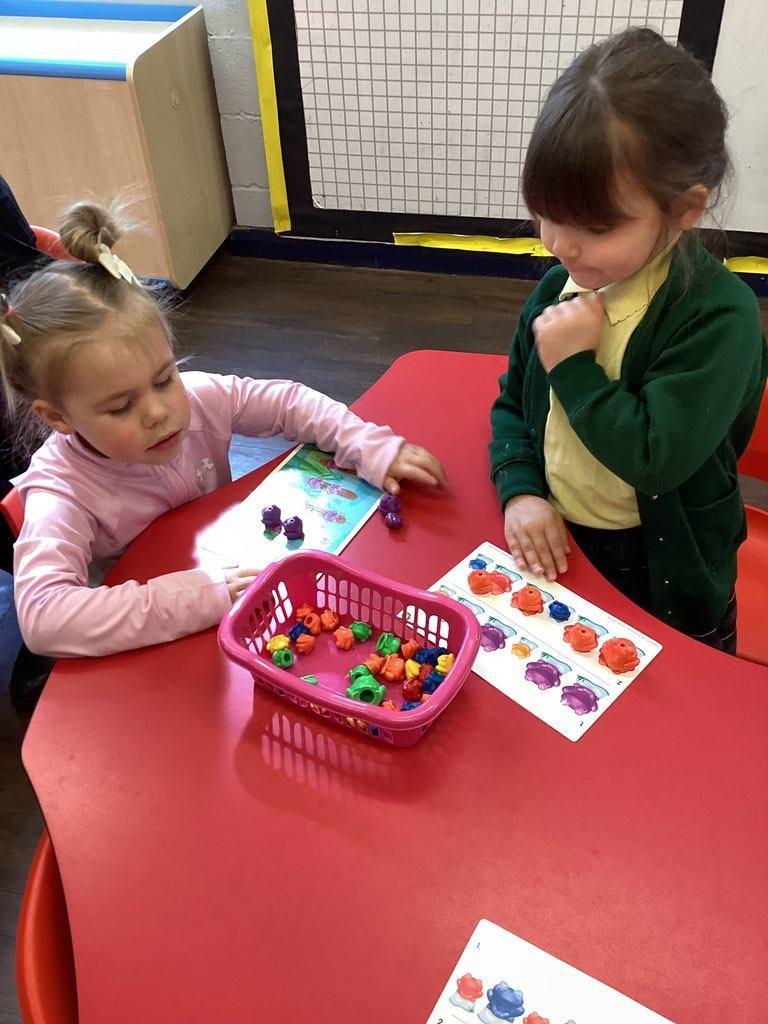
*Notice and correct an error in a repeating pattern.
*Begin to describe a sequence of events, real or fictional, using words such as ‘first’, ‘then...’