St Patrick's Catholic Primary School
Range and depth of historical knowledge

The national curriculum for history aims to ensure that all pupils:
- Know and understand significant aspects of the history of the wider world: the nature of ancient civilisations; the expansion and dissolution of empires; characteristic features of past non-European societies; achievements and follies of mankind.
KS1
- The lives of significant individuals in the past who have contributed to national and international achievements. Some should be used to compare aspects of life in different periods [for example, Elizabeth I and Queen Victoria, Christopher Columbus and Neil Armstrong, William Caxton and Tim Berners-Lee, Pieter Bruegel the Elder and LS Lowry, Rosa Parks and Emily Davison, Mary Seacole and/or Florence Nightingale and Edith Cavell]
- Significant historical events, people and places in their own locality.
KS2
- A local history study
- A study of an aspect or theme in British history that extends pupils’ chronological knowledge beyond 1066
- The achievements of the earliest civilizations – an overview of where and when the first civilizations appeared and a depth study of one of the following: Ancient Sumer; The Indus Valley; Ancient Egypt; The Shang Dynasty of Ancient China Ancient Greece – a study of Greek life and achievements and their influence on the western world a non-European society that provides contrasts with British history – one study chosen from: early Islamic civilization, including a study of Baghdad c. AD 900; Mayan civilization c. AD 900; Benin (West Africa) c. AD 900-1300.
Year 1
Range and depth of historical knowledge
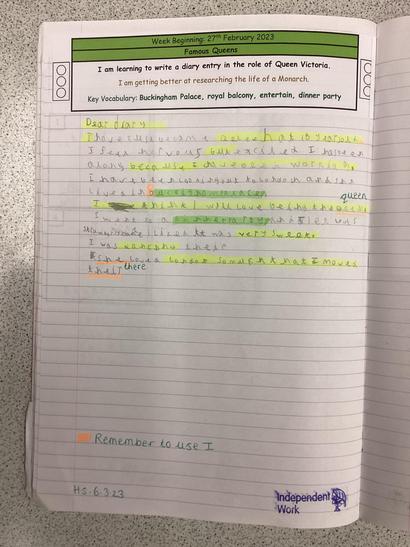
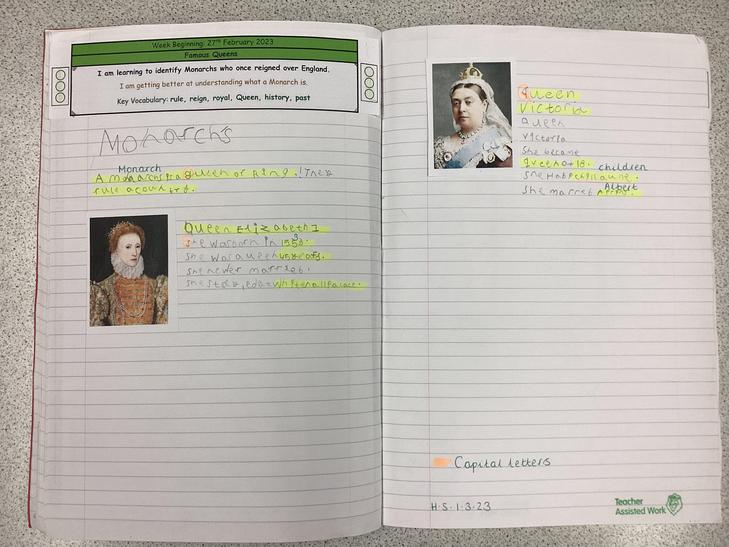
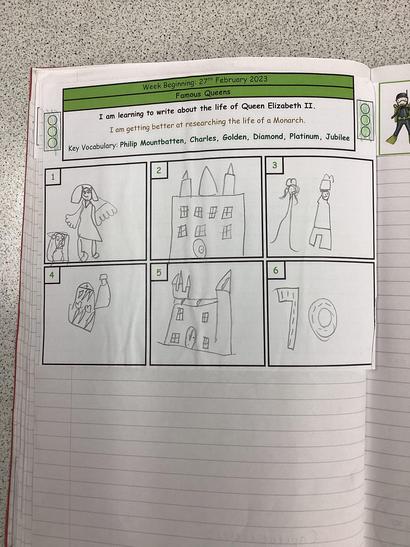
Famous Queens
Recognise the difference between past and present in their own and others' lives
They know and recount episodes from stories about the past.
Year 2
Range and depth of historical knowledge
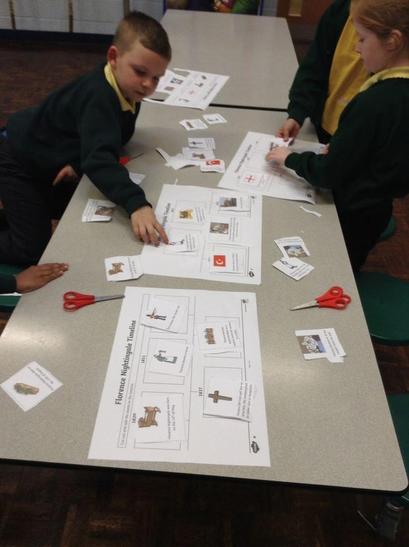
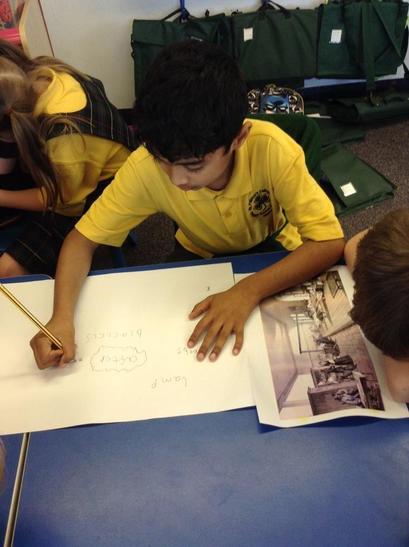
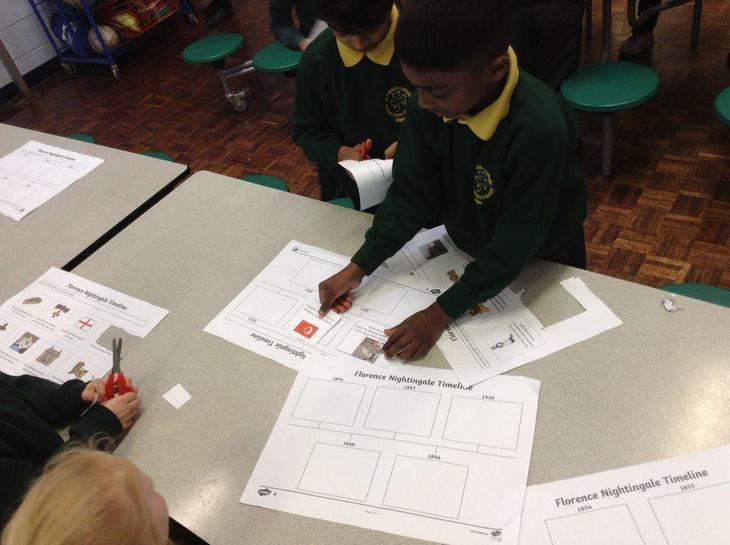
Florence Nightingale
Recognise why people did things, why events happen and what happened as a result
Identify differences between ways of life at different times.
Year 3
Range and depth of historical knowledge
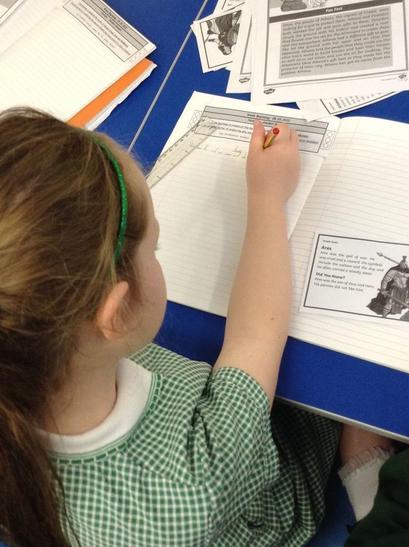
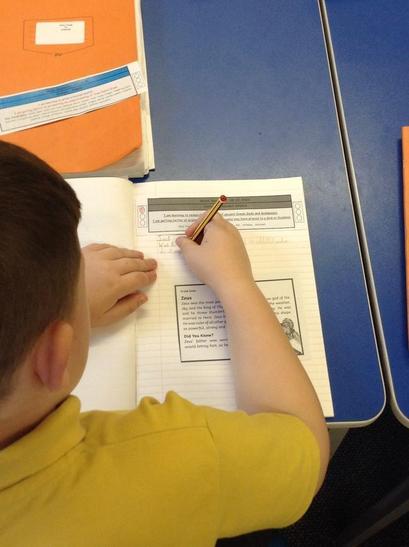
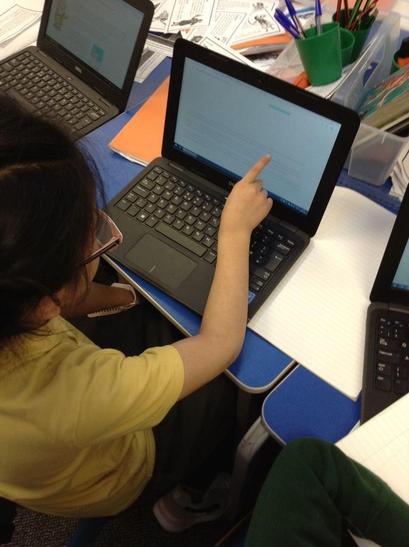
Ancient Greece
Find out about every day lives of people in the time studied
Compare with our life today
Identify reasons for and results of people's actions
Understand why people may have wanted to do something.
Year 4
Range and depth of historical knowledge
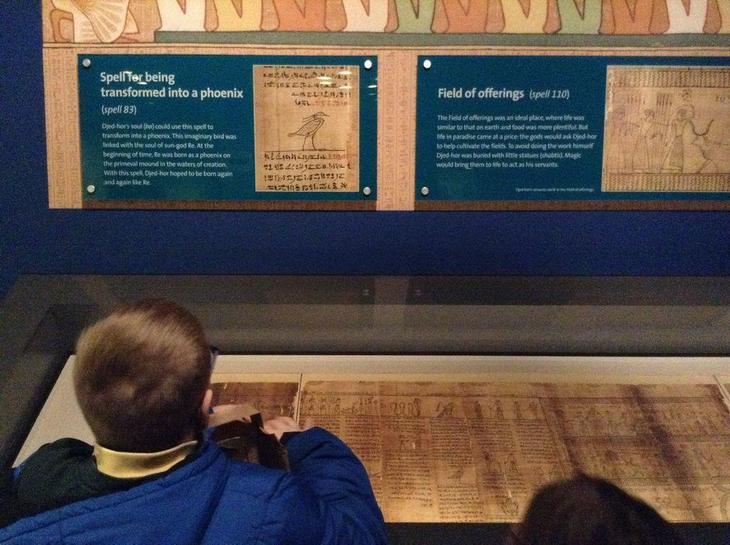
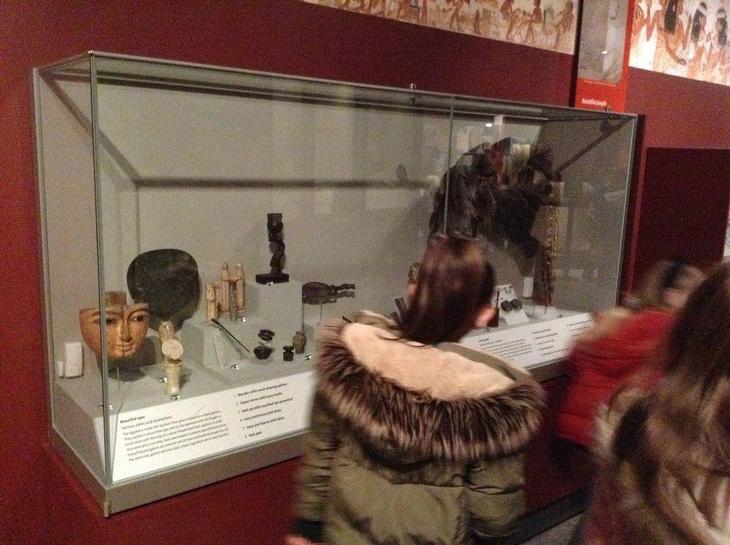
Ancient Egypt
Use evidence to reconstruct life in the time studied
Identify key features and events of the time studied
Look for links and effects in the time studied
Offer a reasonable explanation for some events.
Year 5
Range and depth of historical knowledge
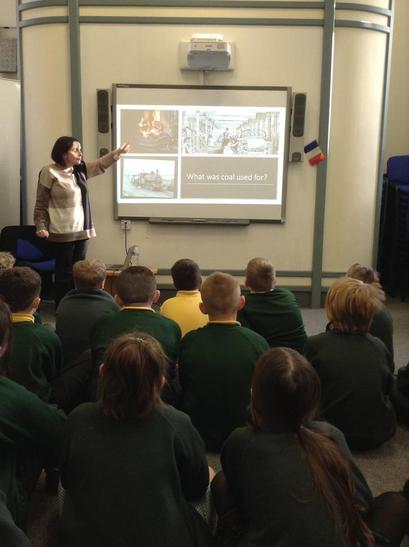
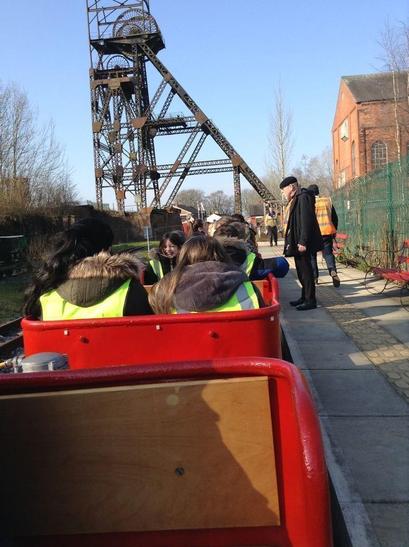
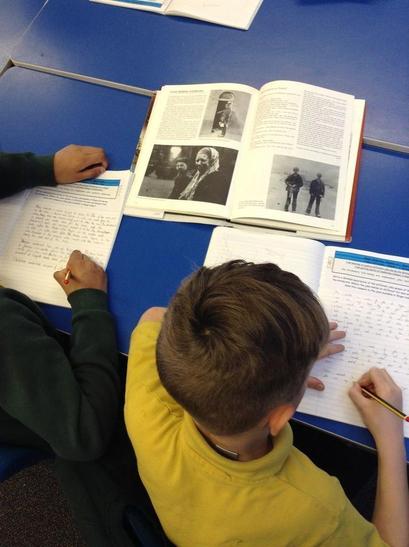
Wigan a Mining Town (local area study)
Study different aspects of different people - differences between men and women
Examine causes and results of great events and the impact on people
Compare life in early and late 'times' studied
Compare an aspect of life with the same aspect in another period.
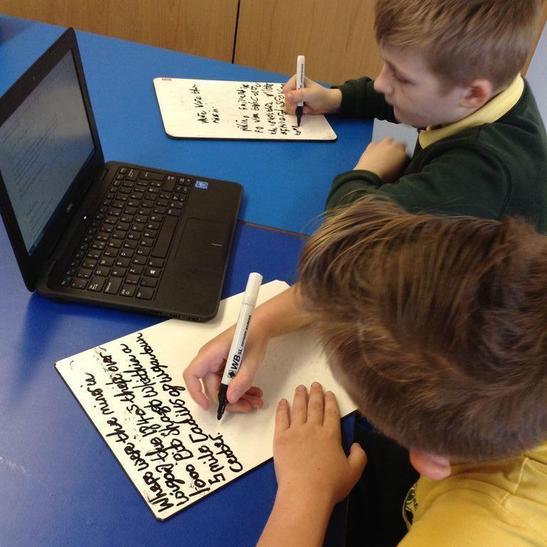
Year 6
Range and depth of historical knowledge
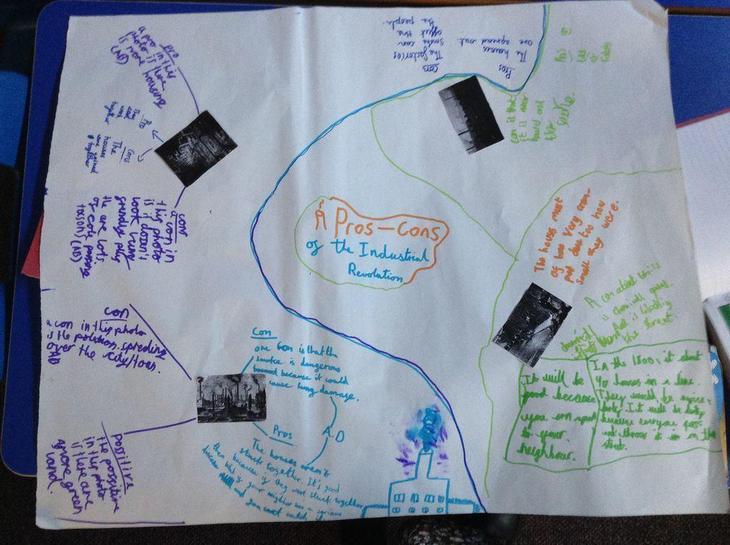
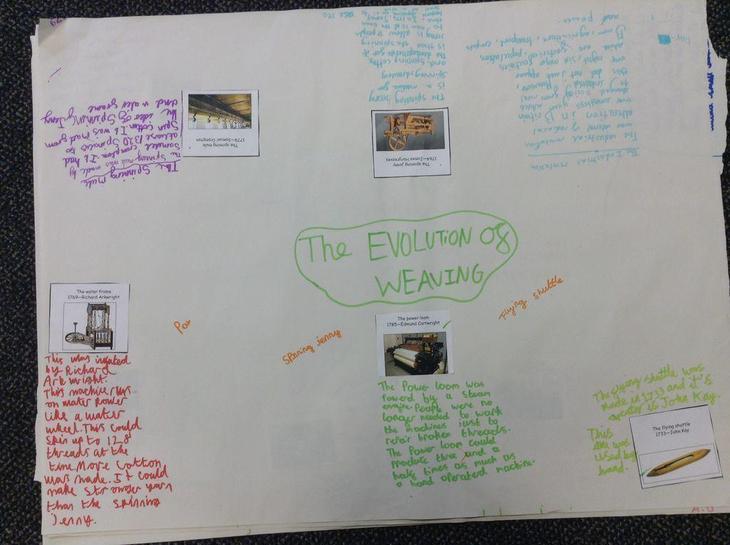
Wigan and the Industrial Revolution (local area study)
Find out about beliefs, behaviour and characteristics of people, recognising that not everyone shares the same views and feelings
Compare beliefs and behaviour with another time studied
Write another explanation of a past event in terms of cause and effect, using evidence to support and illustrate their explanation
Know key dates, characters and events of the time studied.